

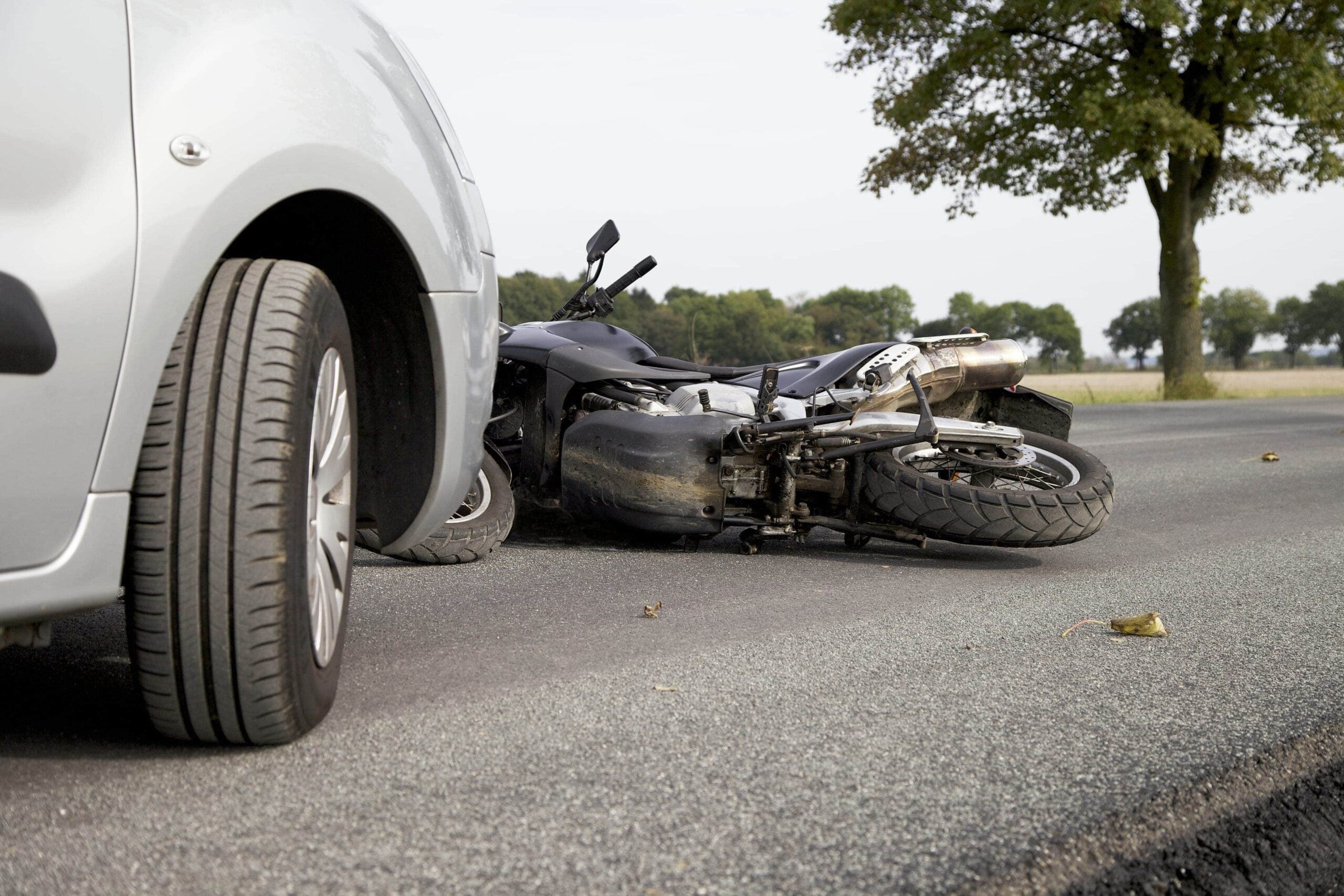
Nothing matches the freedom of being on a motorcycle on an open Pennsylvania road, and nothing changes faster than that freedom when another driver isn’t paying attention. A motorcycle crash with a passenger vehicle is almost never a fair fight. Riders absorb the full force of the impact with nothing between them and the pavement but their gear. Injuries are serious. Insurance companies push back hard. And the evidence that decides whether you are compensated fairly starts disappearing within hours.
According to the National Highway Traffic Safety Administration, motorcyclists are about 35 times more likely than passenger vehicle occupants to die in a crash per mile traveled. PennDOT data showed 217 Pennsylvania motorcycle rider deaths in 2022 alone. If you were injured in a motorcycle accident in Lancaster, York, or Chester County, this guide covers what evidence wins these cases, your legal rights under Pennsylvania law, and exactly what to do next.
Why Evidence Collection Matters More in Motorcycle Cases
In every motor vehicle case, the evidence matters. In motorcycle cases, it matters more because motorcyclists are often unfairly blamed for crashes they did not cause. Juries carry assumptions about riders being reckless. Insurance adjusters exploit those assumptions. Even a careful, law-abiding rider has to prove fault clearly and overwhelmingly to overcome the bias built into the system.
The evidence that wins a motorcycle case is not always obvious, and much of it disappears quickly. Skid marks fade within weeks. Traffic camera footage is typically overwritten in days. Witnesses forget details or relocate. The other driver’s vehicle gets repaired, destroying evidence of the point of impact. Cell phone records require preservation letters before they are erased in routine data purges.
At GLS Injury Law, our motorcycle accident attorneys begin evidence work the moment a case comes in. The sooner we are involved, the stronger the case we can build.
The Evidence That Decides Motorcycle Accident Cases
Proving negligence in a motorcycle case is built from many sources. A strong claim usually rests on several of the following:
Police Report
The Pennsylvania police crash report is typically the foundation document. It contains the responding officer’s observations about how the crash occurred, which driver received citations, statements from the parties, and any contributing factors the officer identified. Make sure a report is filed at the scene of any crash involving injury.
Accident Reconstruction Report
In serious cases, an accident reconstruction expert translates the physical evidence into a clear narrative. The reconstructionist analyzes skid marks, debris patterns, vehicle crush damage, roadway conditions, sight lines, weather, and vehicle inspection data to determine how and why the crash occurred. A good reconstruction can defeat a driver who claims they “never saw” the motorcycle by proving the motorcycle was clearly visible for several seconds before impact.
Vehicle Damage Patterns and the Bike Itself
The damage to both vehicles tells the story of the impact – angle, speed, point of contact, and sequence of events. Your motorcycle is evidence. Do not have it repaired or scrapped until your attorney has photographed, measured, and preserved it. The same rule applies to your helmet, jacket, boots, and other protective gear.
Eyewitness Statements
Independent witnesses are enormously powerful evidence because they have no financial stake in the outcome. Get names, phone numbers, and email addresses of anyone who saw the crash, and call GLS Injury Law before witnesses scatter and memories fade.
Dashcam and Traffic Camera Footage
Video evidence is increasingly decisive. Dashcams in nearby vehicles, traffic signals, gas stations, and business security cameras often capture the crash or the seconds leading up to it. This footage is typically overwritten within days to weeks, which is why preservation letters from an attorney need to go out immediately.
Cell Phone Records
Distracted driving, particularly texting, causes a significant share of motorcycle crashes. A subpoena for the other driver’s cell phone records can establish whether they were texting, streaming, or on a call at the moment of impact. This evidence is not available to the general public; an attorney is required to obtain it.
Medical Records and Expert Medical Testimony
Medical documentation ties your injuries to the crash, establishes severity, supports future care needs, and counters insurer arguments that your injuries were pre-existing or unrelated. Treating physicians, and in serious cases medical experts, are essential to proving damages.
Road Maintenance and Third-Party Records
Some motorcycle crashes involve unsafe road conditions like potholes, missing signs, improperly marked construction zones, or defective pavement. Road maintenance records from PennDOT or the local municipality can establish liability against a government entity. Mechanical failure caused by a faulty repair can establish liability against a mechanic or parts manufacturer. These third-party claims can substantially increase the recovery available.
The Six Steps to Take After a Motorcycle Accident in Pennsylvania
The hours and days after a crash are critical. If you are physically able, focus on these steps:
- Call 911 and seek medical attention. Even if injuries seem minor, get evaluated. Adrenaline masks pain. Concussions, internal injuries, and spinal damage often do not show up clearly at the scene. Your medical records from day one are evidence.
- Document the scene. If it is safe, photograph the vehicles, your motorcycle, your injuries, road conditions, traffic signals, weather, skid marks, debris fields, and any visible defects. Photograph the other driver’s license, insurance card, and license plate.
- Gather information and witnesses. Names, phone numbers, insurance information, and license plates for every driver involved. Get contact information from every witness, particularly those who stopped to help.
- Do not admit fault and do not speculate. At the scene, stick to facts. Do not apologize, do not say “I didn’t see him,” and do not say you are “OK.” Those statements get quoted back later.
- Preserve your gear and your motorcycle. Your helmet, jacket, gloves, boots, and the bike itself are all potential evidence. Do not throw anything away, do not repair the bike, and do not let the insurance company take possession without your attorney’s involvement.
- Contact a motorcycle accident attorney before talking to insurance. The other driver’s insurance adjuster will call quickly and sound friendly. Their job is to reduce your claim. Politely decline any recorded statement and refer them to your attorney.
Pennsylvania Motorcycle Law: What Every Rider Needs to Know
The Helmet Law — 75 Pa. C.S. § 3525
Pennsylvania’s helmet law has been partial since 2003. Motorcycle operators and passengers under age 21 are required to wear a DOT-approved helmet. Riders 21 and older may ride without a helmet if they have held a motorcycle license for at least two years or have completed a PennDOT- or Motorcycle Safety Foundation-approved rider safety course. Eye protection is required for all riders regardless of age or exemption.
Not wearing a helmet does not bar a legal claim, but it does create an argument for insurance companies. Defense lawyers often raise the “helmet defense,” claiming that helmet non-use contributed to the severity of injuries and should reduce compensation under Pennsylvania’s comparative fault rule. Importantly, the defense only applies when helmet use could reasonably have prevented or minimized the specific injuries claimed. For injuries to the arms, legs, spine, or internal organs, helmet use is legally irrelevant. For head injuries, experienced attorneys counter the helmet defense with evidence that the crash forces, not the rider’s choice, caused the harm.
Motorcycles Are Not Covered by PA’s No-Fault Auto Insurance System
This is one of the most important and most misunderstood features of Pennsylvania motorcycle law. Under Pennsylvania’s Motor Vehicle Financial Responsibility Law (75 Pa. C.S. § 1705), motorcycles are excluded from the state’s no-fault insurance framework. Riders therefore pursue third-party claims directly against the at-fault driver, not first-party no-fault benefits.
The limited tort restriction that applies to most Pennsylvania car accident cases, blocking recovery for pain and suffering unless serious injury is proven, does not apply to motorcycle riders. Motorcyclists are always treated as full tort for their own claim. This is a major advantage that insurance adjusters often fail to disclose, and that unrepresented riders frequently leave on the table.
Comparative Negligence and the Statute of Limitations
Under Pennsylvania’s modified comparative negligence rule at 42 Pa. C.S. § 7102, if you are found partially at fault, your recovery is reduced by your percentage of fault. If you are more than 50% at fault, you cannot recover at all. Insurers aggressively probe for comparative fault in motorcycle cases, pointing to helmet use, speed, lane position, and passing, which is why early legal involvement matters.
The statute of limitations for personal injury claims in Pennsylvania is two years under 42 Pa. C.S. § 5524. Miss the deadline and your claim is gone, no matter how strong the underlying facts are. Claims against a municipality for a road defect are subject to much shorter notice periods, in some cases six months, under the Political Subdivision Tort Claims Act.
The Most Common Causes of Motorcycle Crashes — and Who Is Liable
- Left-turn Collisions: A driver turning left across oncoming traffic strikes a motorcycle traveling straight. This is the single most common motorcycle crash scenario, and the turning driver is almost always at fault for failing to yield.
- Rear-end Crashes: Motorcycles can stop more quickly than cars and distracted or following drivers who don’t maintain adequate space, end up hitting riders from behind.
- Lane-change and Sideswipe Crashes: Drivers who don’t check blind spots, or who misjudge a rider’s distance, drift into occupied lanes.
- Distracted Driving: Texting, streaming, and phone use cause an increasing share of motorcycle crashes. Cell phone records can prove exactly what the other driver was doing in the seconds before impact.
- Impaired Driving: DUI crashes involving motorcycles tend to produce the most serious injuries and may support punitive damages.
- Crashes involving a Commercial vehicle.
- Road Defects: Potholes, uneven pavement, missing signs, and poorly marked construction zones can cause a motorcycle to lose control without any other vehicle involved. These cases implicate the municipality or state agency responsible for maintenance.
- Lane Splitting: Pennsylvania does not permit lane splitting, (riding between lanes of stopped or slow traffic). A rider who was lane-splitting at the time of a crash may face significant comparative fault.
What Compensation Can You Recover After a Pennsylvania Motorcycle Accident?
A successful claim can recover:
Economic Damages
- Past and future medical expenses, including emergency care, surgery, hospitalization, physical therapy, and long-term rehabilitation
- Lost wages during recovery
- Lost future earning capacity when injuries are permanent
- Motorcycle and gear repair or replacement
- Out-of-pocket expenses caused by the crash
Non-Economic Damages
- Pain and suffering
- Emotional distress, anxiety, and PTSD — particularly common after violent crashes
- Loss of enjoyment of life, including loss of the ability to ride
- Permanent scarring and disfigurement
- Loss of consortium for spouses
Pennsylvania does not cap non-economic damages in standard personal injury cases. Where a rider is killed, surviving family members may pursue a wrongful death claim under the Pennsylvania Wrongful Death Act, recovering funeral expenses, loss of financial support, and loss of companionship.
Punitive Damages
When the at-fault driver’s conduct was particularly reckless, (DUI, street racing, or flagrant federal regulation violations in a commercial crash), punitive damages may be available. These are designed to punish and deter and can substantially increase the value of a claim.
Prevention: How to Reduce Your Risk on Pennsylvania Roads
Even the most careful rider cannot eliminate the risk created by other drivers, but smart practices do reduce it:
- Wear high-visibility gear and reflective clothing, day and night
- Use your headlight at all times and add auxiliary lighting
- Maintain a lane position that maximizes your visibility to drivers in surrounding traffic
- Take an approved rider safety course. Many insurance carriers discount premiums for completion, and the training pays dividends in situational awareness
- Ride sober and rested
- Avoid lingering in blind spots, particularly near trucks and large SUVs
- Keep a cushion in front and behind, and anticipate that turning drivers may not see you
Why Choose GLS Injury Law
Pennsylvania motorcycle cases require attorneys who understand both the technical evidence and the bias riders face. Every Pennsylvania personal injury claim we handle gets the same aggressive investigation and trial preparation that our track record is built on:
- $120,000,000+ recovered for injured clients, including $2,350,000, $1,490,000, $1,315,000 and $1,250,000 motorcycle accident awards
- 99% case win rate
- Voted Best Law Firm in Lancaster County 13 years running by Lancaster County Magazine readers
- Exclusive focus on personal injury and workers’ compensation
- Hundreds of five-star Google reviews
- Available 24/7 — evenings, weekends, and holidays
- We come to you: home, hospital, or rehab facility
- No fee unless we win
Frequently Asked Questions
Yes. Pennsylvania’s limited tort restriction that applies to most car accident cases does not apply to motorcycle riders. Motorcycles are excluded from Pennsylvania’s no-fault insurance system under 75 Pa. C.S. § 1705, and riders are always treated as full tort for their own claim. Insurance adjusters do not always volunteer this, which is one of the most common ways unrepresented riders lose money they were legally entitled to recover.
Yes. Pennsylvania’s helmet law does not bar motorcycle accident claims, and riders 21 and older are often legally exempt from helmet use. Defense lawyers sometimes raise the “helmet defense” to argue that helmet non-use contributed to head injury severity — but that argument only applies when helmet use could reasonably have prevented the specific injury claimed. Broken bones, spinal injuries, and internal organ damage are legally unrelated to helmet use. Experienced attorneys counter the helmet defense effectively.
Two years from the date of the crash under 42 Pa. C.S. § 5524. If a government entity is involved — for example, in a road defect claim against a municipality — the notice deadline may be as short as six months under the Political Subdivision Tort Claims Act. Do not wait. Evidence fades, witnesses move on, and the sooner an attorney is involved, the stronger your case.
The “I didn’t see him” defense is extremely common in motorcycle cases — and it loses when the evidence shows the motorcycle was clearly visible. Accident reconstruction establishes sight lines, visibility, and the actual sequence of events. Cell phone records can prove distraction. Dashcam, traffic camera, and witness evidence establishes what was actually happening in the seconds before impact. GLS Injury Law builds these cases with the full toolkit.
No. Politely decline any recorded statement and do not sign any documents. Adjusters are trained to get you on record saying something they can use to reduce or deny your claim — “I’m OK,” “I didn’t see him,” “I didn’t expect the turn,” or similar. Refer all calls to your attorney.
Nothing up front. GLS Injury Law handles every motorcycle accident case on a contingency fee basis — you pay no legal fees unless we recover compensation for you. The initial consultation is always free, and we can meet at our office, your home, a hospital, or a rehab facility.