
Workplace Brain Injury Lawyers in Central Pennsylvania
Free consultation. No fee unless we win.
Get a Free Case Evaluation Today
No Fee Until You Win
Protected by Google reCAPTCHA Privacy Policy | Terms of Service
Home » Practice Areas »
Why Workers Across Central PA Trust GLS After a Workplace Brain Injury
Choosing the right lawyer after a work-related brain injury can shape your entire claim. Head trauma is often questioned because symptoms are not always obvious, and they can change over days or weeks. Insurers may focus on small inconsistencies, delayed reporting, or “normal” imaging to argue the injury is minor or unrelated.
GLS Injury Law helps injured workers build a clear, evidence-driven file from the start. We focus on concussion symptom documentation, medical timeline consistency, and work restrictions that match the real demands of your job.
Case Results that Speak For Themselves
Millions of Dollars Won For Our Workers' Compensation Clients
$120,000,000
Recovered for Injury Victims
How Our Workplace Brain Injury Lawyers Help Injured Workers
A brain injury can make work, driving, concentration, and even sleep harder. Our job is to take pressure off you and build a plan that protects your benefits and credibility.
Here is how we support workplace brain injury claims:

Incident and Timeline Clarification
We pin down what happened, when symptoms started, who was notified, and what was recorded in early reports, so the file stays consistent.

Evidence Preservation
We work to secure incident logs, HR communications, witness details, job duty descriptions, and any available video or safety documentation before it disappears.

Medical and Restrictions Documentation
We track treatment, referrals, neurocognitive testing records when ordered, therapy notes, and work-status forms to show how the injury affects real function.

Wage Loss and Work-Impact Proof
We document missed time, reduced hours, and restrictions that limit job tasks, supporting the financial impact tied to the injury.

Managing Insurer Communications
We handle adjuster contact and paperwork so you are not pressured into recorded statements or broad authorisations that can be used against you.

Litigation Posture When Needed
If the claim is disputed or benefits are cut unfairly, we prepare the case to hold up under review, hearings, or legal action.
Your health, recovery, and peace of mind deserve to come first. While you focus on healing and rebuilding your life, your case will move forward with careful attention to every detail. Your rights, benefits, and compensation are protected at every step so you can stay focused on getting stronger and moving forward.
Workplace Brain Injuries, Documentation, and Return-To-Work Disputes in Pennsylvania
Workplace head trauma cases often involve both medical and work-capacity issues, and the file must support both.
- Common symptoms: headaches, dizziness, foggy thinking, memory or attention problems, light/noise sensitivity, sleep disruption
- Overlap conditions: neck strain, balance problems, vision changes, ringing in the ears, fatigue, irritability, or mood shifts
- Documentation matters: incident reporting, consistent symptom reporting, follow-up care, and clear restrictions.
- Return-to-work conflict: “light duty” that does not match cognitive limits, safety-sensitive roles, or changing symptoms
- Evidence can vanish fast: video overwritten, conditions corrected, witnesses harder to locate
- More than one party may be involved: contractor errors, negligent drivers, vendor-created hazards, unsafe property conditions, or equipment issues.
When Should You Hire the Best Workplace Brain Injury Lawyer?
The best time to speak with a lawyer is as soon as you have medical care underway and you realize symptoms are affecting work, focus, or safety. Timing matters because brain injury claims are frequently challenged.
Here’s why acting early can protect your case:
- To preserve proof: Video footage, safety logs, and witness availability can disappear quickly.
- To prevent record problems: Small inconsistencies in how the incident or symptoms are described can be used to question credibility later.
- To protect your claim value: Early pressure to “return to normal” or settle before medical stability can leave you short.
- To keep restrictions realistic: Brain injuries can affect reaction time and judgment, which matters for driving, machinery, ladders, and patient care.
- To meet deadlines and reporting requirements: Delays can create disputes about whether symptoms are work-related or whether the timeline makes sense.
In short, early legal guidance protects your claim by keeping the record accurate, consistent, and far more difficult for insurers to downplay or undervalue.
What to Do Before You Call a Top Rated Workplace Brain Injury Attorney
These steps help your health and strengthen the clarity of the file. Do not delay urgent medical care to do any of this.
Key steps after a workplace head injury:
Get Support for Your Workplace Brain Injury Claim
Investigate, build, and litigate your case to victory

Don’t Settle for Less…Call GLS!™
We can be reached through our website or by phone at 717-394-3004.

Free, No-Obligation Consultation
We’ll explain everything, answer your questions, and come to you if needed.

Focus on Your Recovery
GLS Injury Law fights for your full compensation so you can relax. Your peace of mind is our priority.
AVAILABLE 24/7
What to Expect When You Work with The Best brain Injury Lawyers
After a workplace brain injury, the process can feel intimidating, especially when symptoms fluctuate or your employer pressures a fast return. Our job is to make it manageable and understandable while you focus on treatment. You will know what is happening and why.
Our process generally follows these steps:
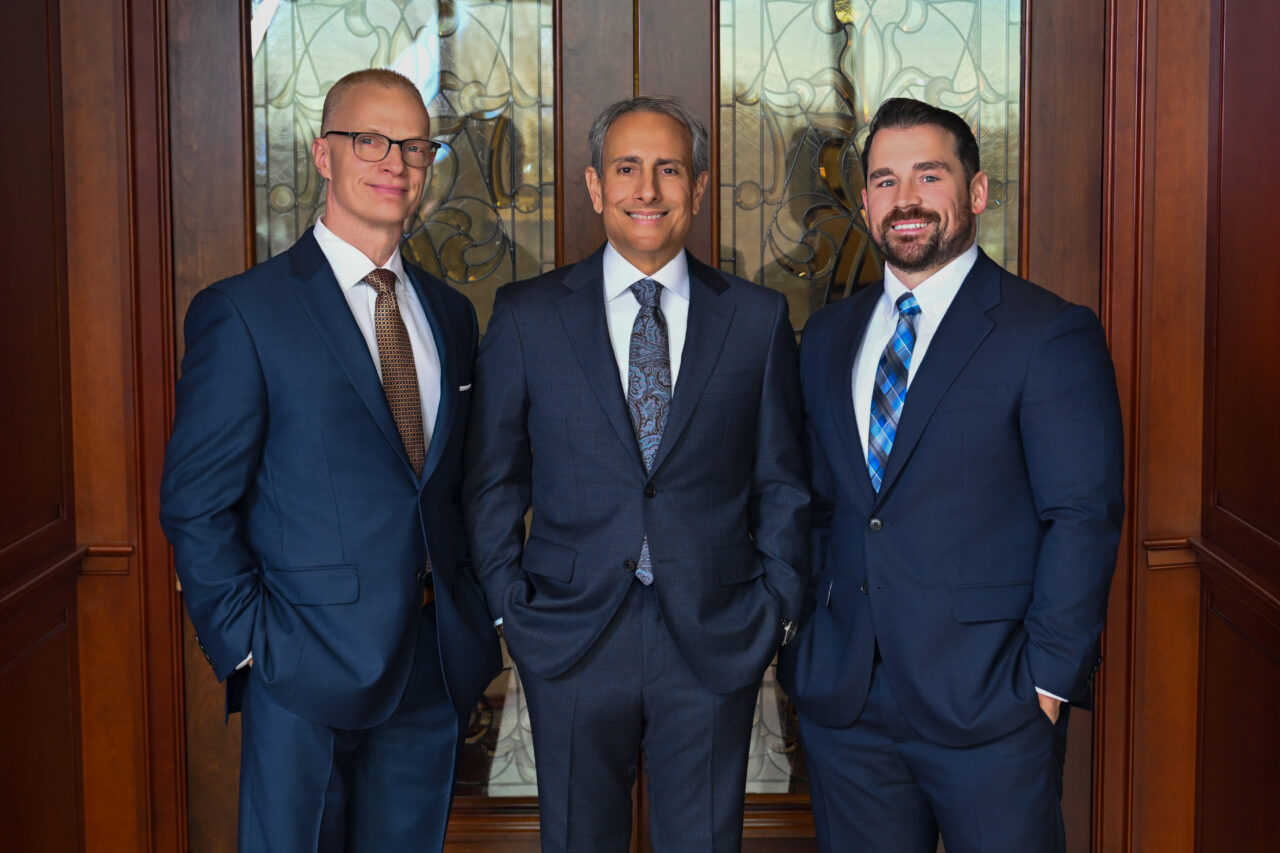
Meet Your top-rated WORKERS' COMPENSATION LAWYERS SERVING CENTRAL PA
Experienced workers' compensation lawyers helping Central PA injury victims pursue maximum compensation.

Anthony M. Georgelis
Represents injured workers and personal injury victims across Pennsylvania with skilled, results-driven legal advocacy.

Christopher P. Larsen
Guides Pennsylvania auto accident, slip and fall, and dog bite clients through claims, IMEs, and legal challenges with care.

Thomas J. Sabatino
Advocates for car accident and workers’ compensation clients in Pennsylvania, through every stage of claims and appeals.
As Recognized By:






What People Are Saying About Our Nationally Recognized Injury fIRM
Proven Results. Hundreds of 5-Star Reviews
GLS Clients Who Didn’t Settle For Less
Proven Results. Hundreds of 5-Star Reviews



A construction worker was killed when the walls of a building collapsed during an active project in Franklin County. GLS investigated workplace conditions, pursued third-party liability, and secured a substantial recovery for the surviving family.
— GLS WON —
$15,000,000
Fatal Construction Site Work Accident Claim

A child tragically drowned at a Lancaster hotel pool. GLS investigated premises safety and supervision practices and secured a significant wrongful death recovery for the family.
— GLS WON —
$1,600,000
Wrongful Death Claim
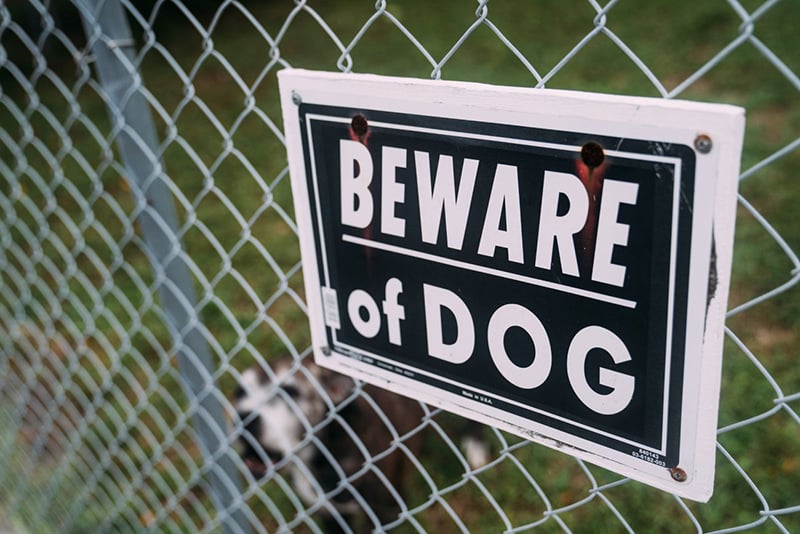
A client suffered serious injuries after being attacked by a dog while unloading groceries outside their home. GLS responded immediately, visiting the client in the hospital and launching a thorough investigation. Through aggressive advocacy, the firm held the owner accountable and secured a significant recovery.
— GLS WON —
$1,200,000
Dog Bite Claim

A pedestrian suffered severe internal and external injuries after being struck by a garbage truck while crossing the roadway. GLS pursued claims against both the driver and company, uncovering safety failures and securing a substantial settlement.
— GLS WON —
$1,450,000
Pedestrian Accident Claim

A tractor trailer driver was severely injured when a trash truck struck him head-on while he was performing job duties in Lancaster County. GLS established liability against the commercial operator and secured compensation for extensive injuries.
— GLS WON —
$1,675,000
Work-Related Truck Accident Claim

A forklift operator sustained multiple fractures and crush injuries after being struck by another forklift operated by a third-party contractor. GLS pursued both workers’ compensation and third-party claims to maximize recovery.
— GLS WON —
$1,658,000
Work-Related Tow Motor Accident Claim

A factory worker suffered a partial foot amputation in a workplace accident. GLS identified a responsible third party in addition to workers’ compensation and recovered compensation for pain, suffering, and other non-economic damages.
— GLS WON —
$1,750,000
Work Injury and Third-Party Claims

A motorcyclist suffered serious internal injuries requiring multiple surgeries after an SUV made an unlawful turn in front of the motorcycle. GLS proved fault and secured compensation reflecting the severity of medical treatment.
— GLS WON —
$1,490,000
Motorcycle Accident Claim

A husband and father was killed when a commercial truck ran a red light and collided with his vehicle. GLS reconstructed the crash, established fault, and obtained a multi-million-dollar recovery for his family.
— GLS WON —
$4,000,000
Tractor Trailer Accident Claim
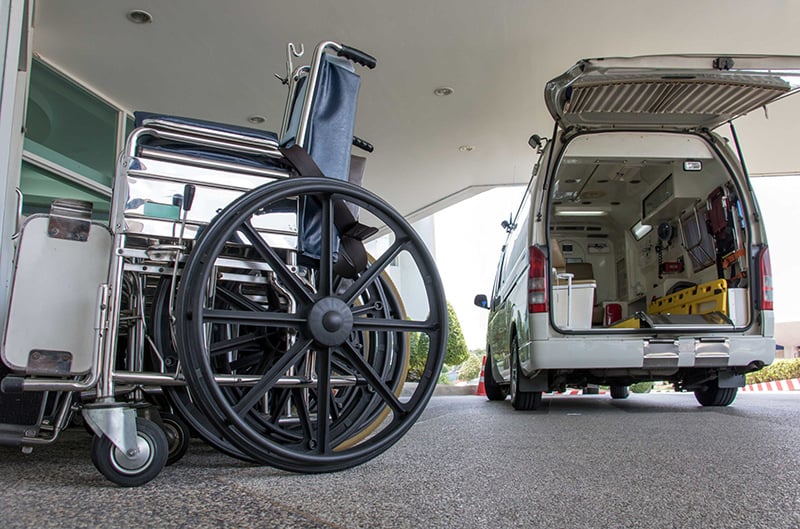
A nursing home resident suffered multiple fractures after being improperly secured in a facility-operated van. GLS strategically litigated against ownership in a favorable venue, resulting in a seven-figure recovery.
— GLS WON —
$1,015,000
Passenger Van Accident Claim
How to Tell if You Need a Workplace Brain Injury Lawyer
Not every workplace incident requires legal help, but brain injury claims are often disputed, especially when symptoms evolve or restrictions affect job safety. If you are unsure, these signs are strong indicators that you should speak with a lawyer.
Top 6 signs you should contact a workplace brain injury attorney:
Symptoms Persist, Fluctuate, or Worsen
Headaches, dizziness, sleep disruption, or foggy thinking continue, especially when work demands increase.
You Are Missing Work or Are Placed on Restrictions
Reduced hours, light duty, or inability to perform safety-sensitive tasks creates real wage loss and pressure.
The Employer or Insurer Questions Causation or Timing
You hear “not work-related,” “no injury reported,” or “this is something else,” despite consistent symptoms.
You Are Pushed to Return to Full Duty Too Quickly
Restrictions feel vague, minimized, or disconnected from the real risks of your job duties.
Recorded Statements or Broad Authorisations Are Requested
These can lock you into wording that later conflicts with medical notes as symptoms develop.
Multiple Parties May Be Responsible
Contractors, drivers, vendors, property conditions, or equipment issues can change the claim path and recovery options.
When these signs are present, reaching out to our team of experienced team can help protect your health, finances, and future.
WHY SHOULD YOU HIRE A WORKPLACE BRAIN INJURY LAWYER
A work injury can be overwhelming. Start by taking care of your health, then safeguard your benefits by protecting the record. Use this checklist to minimize early claim issues.
Immediate Action Checklist
Get Medical Attention
Seek care right away and follow restrictions.
Document Key Details
Equipment involved, job cycle, pace, witness names, and what you were required to do.
Stay Cautious with Communications
Avoid casual statements or recorded calls that can be used to minimize your injury.
Track Wages and Job Status
Keep pay stubs and note changes in hours, duties, or overtime.
How Long Do Workplace Brain Injury Cases Take?
There is no single timeline. Some claims resolve quickly when symptoms improve, and documentation is consistent. Others take longer when symptoms evolve, restrictions continue, or disputes require hearings or deeper investigation. Medical stability and record quality often drive the pace.
What Is a Workplace Brain Injury Case Worth?
Value depends on severity, how long symptoms last, the length and clarity of restrictions, wage loss, future treatment needs when supported, and whether any outside liability applies. Because these cases are often challenged, clean documentation can strongly affect outcomes.
Do the Best Workplace Brain Injury Lawyers Go to Hearings or Court?
Yes. Many workplace brain injury matters settle or resolve through benefits processes, but disputed claims may require formal litigation steps or hearings. If the insurer challenges credibility, timing, or restrictions, a prepared legal team can present organized proof and push back effectively.
Frequently Asked Questions About Workplace Brain Injuries in Pennsylvania
Get clear answers about brain injury claims in the workplace.
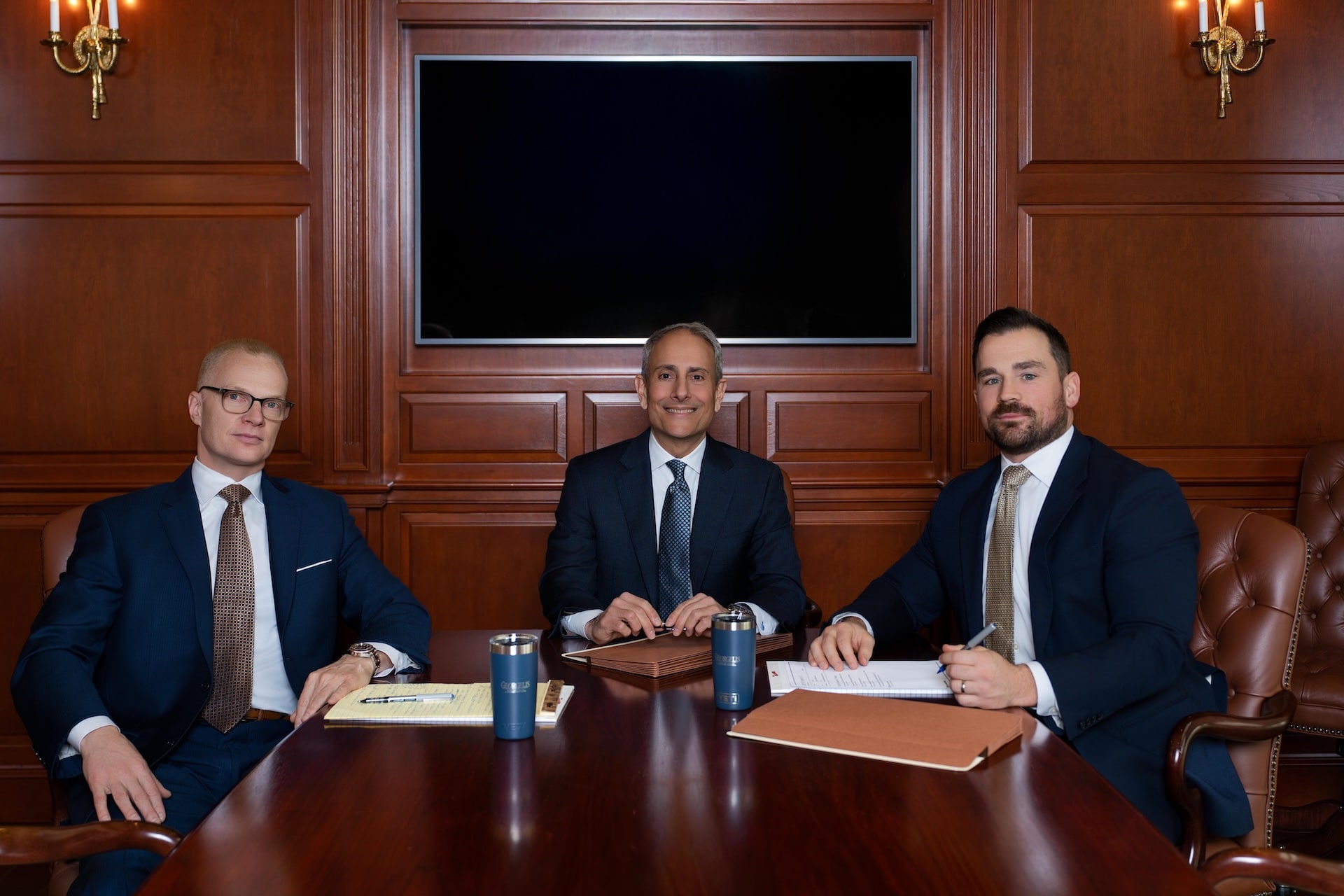
Reviewed by Anthony M. Georgelis, Attorney at GLS Injury Law, on May 20th 2025.
Workplace Brain Injury FAQs
What Should Be Documented First After a Workplace Concussion?
Start with the basics: when the incident happened, what task was being performed, and when symptoms began. Save the incident report, witness names, and first medical notes. A clean early timeline helps prevent later disputes.
Can Symptoms Appear Days After the Incident?
Yes. Some workers feel “off” at first and notice headaches, dizziness, sleep problems, or concentration issues later. Follow up medically and report symptom progression consistently. The record should explain changes without guessing or exaggeration.
What If the Employer Says the Injury Was Not Work-Related?
This is common when reporting is delayed or when details are unclear. Consistent medical notes, accurate job duty descriptions, and reliable incident documentation can help. Many workers benefit from legal guidance before signing statements or releases.
How Do Restrictions Affect Return-to-Work Decisions?
Restrictions are meant to protect safety and recovery. For brain injuries, limits can involve driving, machinery, ladders, shift length, or multitasking. Restrictions should match the real job demands, not just a generic “light duty” label.
Do I Have to Give a Recorded Statement to the Insurer?
Insurers may request recorded statements, but workers should understand the purpose and risks first. A statement can lock in wording that later conflicts with medical notes. Many people speak with a lawyer before answering recorded questions.
When Could Third-Party Liability Apply in a Workplace Head Injury?
Outside responsibility may exist when a contractor, property owner, driver, vendor, or equipment supplier contributed to the hazard. The key issue is control and safety duty. Preserving site records and identifying who controlled the space matters.
What Medical Records Help Most When Symptoms Are Disputed?
Consistency is critical. Treatment notes, referrals, testing documentation, work-status forms, and restriction updates can support credibility. Keeping a symptom timeline that matches provider notes helps. Incident reports and witness details may also strengthen the file.
How Long Do Workplace Brain Injury Cases Usually Take?
Timing depends on medical stability, symptom progression, and whether disputes require hearings or additional investigation. Some matters resolve quickly, while others take longer when restrictions continue or outside responsibility must be evaluated alongside benefits.
Scroll Down For More ↓
Get a Free Case Evaluation Today
No Fee Until You Win
Protected by Google reCAPTCHA Privacy Policy | Terms of Service
DON'T SETTLE FOR LESS...CALL GLS!™
Schedule Your Free Consultation
Call Now - 717-394-3004