

Aggravation of Pre-Existing Conditions Lawyers in Central PA
Free consultation. No fee unless we win.
Get a Free Case Evaluation Today
No Fee Until You Win
Protected by Google reCAPTCHA Privacy Policy | Terms of Service
Home » Practice Areas »
WHY CLIENTS TRUST GLS WITH AGGRAVATION OF PRE-EXISTING CONDITION CLAIMS
If an accident or work injury made an old condition worse, insurance companies often try to use the word “pre-existing” to reduce what they pay. In Pennsylvania, that tactic does not erase your rights. When an incident reactivates a dormant issue, worsens a healed injury, or makes an underlying condition symptomatic, you may be entitled to compensation for medical care, wage loss, and other damages.
GLS Injury Law helps injured workers and accident victims across Central PA, including Lancaster, York, and West Chester. We focus on the before-and-after story, what your baseline was, what changed after the incident, and how that change affects your work and daily life.
Why do people choose GLS in these cases:
Case Results that Speak For Themselves
Million Dollar Recoveries For Our Injured Neighbors
$117,000,000
Recovered for Injury Victims
HOW OUR LAWYERS HELP WITH AGGRAVATION OF PRE-EXISTING CONDITIONS
Aggravation cases are rarely won by arguing. They are won by building a clean timeline and showing the change in symptoms, function, and treatment needs after the incident. Here is how GLS helps:

Identify the correct claim path
workers’ compensation vs. personal injury, or both when applicable

Establish your baseline
by documenting how you were functioning before the incident, including work capacity and symptom control.

Prove what changed after the injury
through medical records, symptom reports, restrictions, and treatment progression.

Protect you from common insurance tactics
like recorded statements, pressure to settle early, and overly broad medical authorizations.

Coordinate the documentation that matters
lo doctors’ notes and records clearly reflect new symptoms and increased limitations.

Pursue full value
lor medical treatment, wage loss, and accident-related pain, limitations, and disruptions to daily life.
Your health, recovery, and peace of mind deserve to come first. While you focus on healing and rebuilding your life, your case will move forward with careful attention to every detail. Your rights, benefits, and compensation are protected at every step so you can stay focused on getting stronger and moving forward.
WORK INJURIES, ACCIDENTS, AND AGGRAVATION RULES IN PENNSYLVANIA
Aggravation can apply in workers’ compensation cases and in many personal injury claims. The key is whether the incident caused a real worsening, not whether you were “perfect” beforehand.
WORKERS’ COMPENSATION
The Pennsylvania Workers’ Compensation Act provides medical treatment coverage and wage loss compensation for work-related injuries or diseases. That includes injuries tied to a specific incident, repetitive work activity, or the aggravation of a pre-existing condition. In Pennsylvania, aggravation is commonly treated as a new injury, and employers may be responsible for the entire injury outcome, not just a small “flare.” Employers or insurers may argue they did not know about your prior condition, but benefits may still apply even when the condition was not obvious or previously discussed.
ACCIDENT CLAIMS
The same concept can apply after auto accidents, slip and falls, bicycle accidents, and other negligence cases. A healed back issue can become painful again. A stable neck condition can worsen. You may need physical therapy, imaging, injections, or even surgery that was not necessary before. If someone else’s negligence caused that change, you may have grounds to pursue compensation for medical bills, lost wages, pain and suffering, and more.
WHEN SHOULD YOU HIRE AN AGGRAVATION OF PRE-EXISTING CONDITION LAWYER?
The best time to contact a lawyer is as soon as you are safe and receiving medical care. Aggravation claims are often questioned early, and small mistakes can follow you through the entire process.
Acting quickly helps because:
- Evidence and timelines matter. The sooner your medical record reflects what changed, the harder it is for insurers to reframe the case.
- Insurance pressure starts fast. Adjusters may ask for recorded statements or broad releases and then use selected parts to minimize your claim.
- Treatment needs develop over time. A quick settlement can ignore future care, recurring symptoms, or long-term work restrictions.
- Deadlines are real. Workers’ comp and injury claims have strict timing rules, and missing them can permanently affect your options.
If you were working, functioning, and managing life before the incident, and now you are facing new symptoms, new limitations, or missed work, it is worth getting legal guidance early.
WHAT TO DO BEFORE YOU CALL GLS INJURY LAW
These practical steps can protect your health and strengthen your case. Do not delay emergency care.
GET MAXIMUM COMPENSATION FOR YOUR AGGRAVATION OF A PRE-EXISTING CONDITION CLAIM
Investigate, build, and litigate your case to victory

Don’t Settle for Less…Call GLS!™
We can be reached through our website or by phone at 717-394-3004.

Free, No-Obligation Consultation
We’ll explain everything, answer your questions, and come to you if needed.

Focus on Your Recovery
GLS Injury Law fights for your full compensation so you can relax. Your peace of mind is our priority.
AVAILABLE 24/7
WHAT TO EXPECT WHEN YOU WORK WITH GLS INJURY LAW
Aggravation claims can feel discouraging because insurers often focus on your history instead of the injury event. Our job is to bring the case back to what the incident changed and to guide you through a process that feels clear and manageable.
In most cases, you can expect:
Meet Your Award-Winning PERSONAL INJURY LAWYERS SERVING CENTRAL PA
Experienced accident lawyers helping Central PA injury victims pursue maximum compensation.

Anthony M. Georgelis
Represents injured workers and personal injury victims across Pennsylvania with skilled, results-driven legal advocacy.

Christopher P. Larsen
Guides Pennsylvania auto accident, slip and fall, and dog bite clients through claims, IMEs, and legal challenges with care.

Thomas J. Sabatino
Advocates for car accident and workers’ compensation clients in Pennsylvania, through every stage of claims and appeals.
As Recognized By:








What People Are Saying About Our Nationally Recognized Injury fIRM
Proven Results. Hundreds of 5-Star Reviews

A construction worker was killed when the walls of a building collapsed during an active project in Franklin County. GLS investigated workplace conditions, pursued third-party liability, and secured a substantial recovery for the surviving family.
— GLS WON —
$15,000,000
Fatal Construction Site Work Accident Claim

A child tragically drowned at a Lancaster hotel pool. GLS investigated premises safety and supervision practices and secured a significant wrongful death recovery for the family.
— GLS WON —
$1,600,000
Wrongful Death Claim

A pedestrian suffered severe internal and external injuries after being struck by a garbage truck while crossing the roadway. GLS pursued claims against both the driver and company, uncovering safety failures and securing a substantial settlement.
— GLS WON —
$1,450,000
Pedestrian Accident Claim

A tractor trailer driver was severely injured when a trash truck struck him head-on while he was performing job duties in Lancaster County. GLS established liability against the commercial operator and secured compensation for extensive injuries.
— GLS WON —
$1,675,000
Work-Related Truck Accident Claim

A forklift operator sustained multiple fractures and crush injuries after being struck by another forklift operated by a third-party contractor. GLS pursued both workers’ compensation and third-party claims to maximize recovery.
— GLS WON —
$1,658,000
Work-Related Tow Motor Accident Claim

A factory worker suffered a partial foot amputation in a workplace accident. GLS identified a responsible third party in addition to workers’ compensation and recovered compensation for pain, suffering, and other non-economic damages.
— GLS WON —
$1,750,000
Work Injury and Third-Party Claims

A motorcyclist suffered serious internal injuries requiring multiple surgeries after an SUV made an unlawful turn in front of the motorcycle. GLS proved fault and secured compensation reflecting the severity of medical treatment.
— GLS WON —
$1,490,000
Motorcycle Accident Claim

A husband and father was killed when a commercial truck ran a red light and collided with his vehicle. GLS reconstructed the crash, established fault, and obtained a multi-million-dollar recovery for his family.
— GLS WON —
$4,000,000
Tractor Trailer Accident Claim
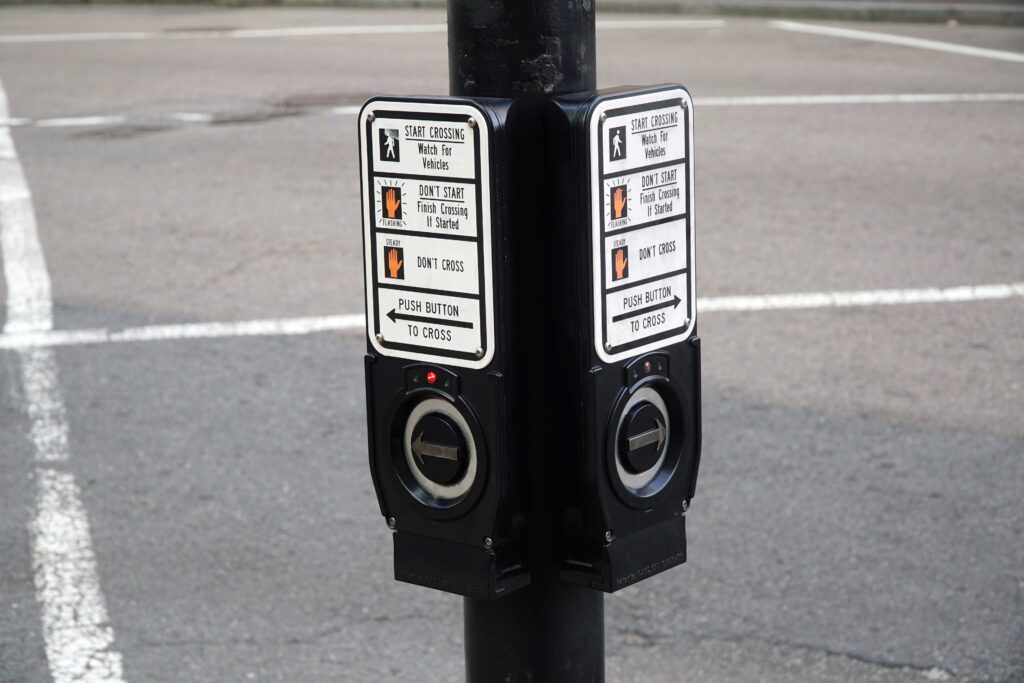
A woman was struck by a vehicle while lawfully using a crosswalk and suffered serious injuries. GLS persuaded the insurer to tender full policy limits, addressing both immediate losses and future impact.
— GLS WON —
$1,000,000
Pedestrian Motor Vehicle Accident

A motorcyclist sustained multiple fractures, internal bleeding, and a traumatic brain injury following a collision with another vehicle. Despite comparative negligence challenges, GLS recovered over one million dollars.
— GLS WON —
$1,315,000
Motorcycle Collision
HOW TO TELL IF YOU NEED A LAWYER FOR AN AGGRAVATION CLAIM
Not every flare-up requires legal help, but aggravation claims often do, especially when insurers dispute the cause or minimize the change. Here are common signs you should talk to an attorney:
Worsening Symptoms
Your symptoms are more intense, more frequent, or more constant than they were before the incident
New Neurological Signs
You developed new symptoms like numbness, tingling, weakness, radiating pain, or instability
Increased Medical Care
You now need new or increased treatment, such as physical therapy, imaging, injections, specialist care, or surgery evaluation.
New Work Limits
You have missed work or received restrictions that did not exist before
“Degeneration” Defense
The insurer keeps focusing on your history and calling it “degeneration” instead of addressing what changed after the incident
Early Settlement Pressure
You feel pressured to settle or give statements before your medical picture is clear
If any of these apply, getting legal representation can protect the record and the value of the claim.
WHY SHOULD YOU HIRE A LAWYER FOR AGGRAVATION OF A PRE-EXISTING CONDITION?
Because insurers often blame symptoms on prior conditions, having an experienced attorney early matters—which is why what you do right after your injury is so important.
Immediate Action Checklist
Get Medical Attention
Seek care right away and follow restrictions.
Document Key Details
Equipment involved, job conditions, witness names, and what you were required to do.
Stay Cautious with Communications
Avoid casual statements or recorded calls that can be used to minimize your injury.
Track Wages and Job Status
Save pay stubs and note changes in hours, duties, and overtime.
Will Workers’ Comp Pay if Work Aggravated My Prior Condition?
Often, yes. Pennsylvania workers’ comp can cover medical treatment and wage loss benefits when work aggravates a pre-existing injury or condition. In many cases, aggravation is treated as a new injury tied to the employer you were working for when the aggravation occurred.
Can I Still Bring a Personal Injury Claim if I Had the Problem Before?
In many cases, yes. If a crash, fall, or other accident worsened a prior condition, you may be able to seek compensation for the additional harm, including medical bills, lost wages, pain and suffering, and other damages connected to the aggravation.
What Does a Lawyer Do that Helps in These Cases?
Aggravation claims are frequently challenged. A lawyer helps you avoid insurer traps, build a clear before-and-after timeline, support medical causation with proper documentation, and push for full value when the other side tries to discount the injury as “pre-existing.”
AGGRAVATION OF PRE-EXISTING CONDITIONS FAQS FOR CENTRAL PENNSYLVANIA
Get clear answers about aggravation of pre-existing conditions cases.

Reviewed by Anthony M. Georgelis, Attorney at GLS Injury Law, on May 20th 2025.
Aggravation of Pre-Existing Conditions Case FAQs
Can I file a claim if I already had back pain?
Yes. If the accident worsened your symptoms, increased your treatment, or created new limitations, you may still have a valid claim. The focus becomes what changed after the incident and how that change is documented.
How do I prove the accident made my condition worse?
Proof often comes from the timeline, medical records, and provider notes describing symptom changes, increased treatment needs, and functional limitations. Comparing pre-accident and post-accident status is usually central to the claim.
Will the insurance company request my old medical records?
They often try to. That’s why it matters to be careful with broad medical authorizations. Records should be handled in a way that supports the baseline and doesn’t let the insurer cherry-pick context.
What if my doctor says it “could be” from the accident?
Many medical opinions are cautious. Detailed notes about symptom change, mechanism of injury, and treatment progression can strengthen causation. We also look at the full documentation, not one line.
What is an IME, and do I have to go?
An IME is an “independent medical exam” requested by insurers. It is often used to minimize injuries. Whether you must attend depends on the claim and policy context. Preparation and documentation are critical.
Does degenerative disc disease ruin my case?
No. Many people have degenerative findings without serious symptoms. If the accident triggered new pain, radiating symptoms, or new restrictions, the case may still be valid when documented properly.
Can a minor crash aggravate a serious condition?
Yes. Even lower-speed impacts can aggravate vulnerable areas depending on position, bracing, and pre-existing anatomy. The medical timeline and symptoms usually tell the story.
Scroll Down For More ↓
Get a Free Case Evaluation Today
No Fee Until You Win
Protected by Google reCAPTCHA Privacy Policy | Terms of Service
DON'T SETTLE FOR LESS...CALL GLS!™
Schedule Your Free Consultation
Call Now - 717-394-3004