

Police Officer Injury Lawyers in Central Pennsylvania
Free consultation. No fee unless we win.
Get a Free Case Evaluation Today
No Fee Until You Win
Protected by Google reCAPTCHA Privacy Policy | Terms of Service
Home » Practice Areas »
Why Officers Across Central PA Trust GLS After an On-Duty Injury
Choosing the right Pennsylvania police officer injury attorney is a serious decision after an on-duty injury. These matters are not typical workplace claims. They often involve strict internal reporting, time-sensitive evidence, and medical records that must stay consistent because restriction language can affect benefits, work status, and long-term health.
GLS Injury Law understands the practical realities of duty injuries and builds cases with early organization and disciplined record control.
Case Results that Speak For Themselves
Millions of Dollars Won For Our Workers' Compensation Clients
$120,000,000
Recovered for Injury Victims
HOW OUR POLICE OFFICER INJURY LAWYERS HELP INJURED OFFICERS
After an on-duty injury, you may be dealing with pain, evaluations, paperwork, and uncertainty about duty status. Our role is to handle the legal side, organize the record, and put a clear plan in place while you focus on recovery.
Here is how our police officer injury lawyers support you:

Incident Review and Case Development
We identify the incident type, the injury mechanism, and how the event unfolded, including where it occurred and what actions were involved.

Evidence and Record Control
We organize key records, including incident reports, dispatch logs, witness lists, and scene notes, and address retention risks early.

Video and Documentation Preservation
We work to protect relevant video sources when available, such as body-worn camera footage, dashcam recordings, and other scene video.

Claim-Path and Third-Party Analysis
We evaluate workers’ compensation and investigate third-party responsibility, including negligent drivers, unsafe premises, or defective equipment.

Medical Documentation and Restrictions Support
We focus on consistent treatment notes and clear return-to-duty restrictions so the medical record matches the incident record.

Managing Disputes and Protecting Your Interests
If reporting details are questioned, benefits are delayed, or the matter is minimized, we respond with evidence and structured proof.
Your health, recovery, and peace of mind deserve to come first. While you focus on healing and rebuilding your life, your case will move forward with careful attention to every detail. Your rights, benefits, and compensation are protected at every step so you can stay focused on getting stronger and moving forward.
Police Officer Injuries, Duty Gear, and Third-Party Liability in Pennsylvania
On-duty injuries often involve sudden force, fast movement, and environments outside the agency’s control. These claims may involve both workers’ compensation and third-party liability, depending on who controlled the risk and whether preventable hazards were present.
- Common injuries: back and neck trauma, shoulder injuries, knee and ankle injuries
- Head injury and concussion-type symptoms after vehicle impacts or falls
- Hand and wrist injuries during restraints, defensive contact, and falls
- Fractures and soft-tissue injuries from impacts with surfaces, vehicles, or equipment
- Third-party risks may involve negligent drivers, unsafe premises, inadequate security, or defective equipment
- Time-sensitive proof can include duty-related injury reports, dispatch logs, witnesses, and video evidence
When Should You Hire the Best Police Officer Injury Lawyer?
The best time to contact a police officer injury lawyer is as soon as possible after you receive medical attention. Timing matters because evidence can be overwritten, reporting details can shift, and early medical restrictions can affect work status.
Timing is critical because it directly impacts the strength and value of your case. Here’s why acting quickly is essential:
- To preserve evidence: Key proof may be lost through routine retention, including video, dispatch records, scene conditions, and witness availability.
- To prevent record conflicts: Early inconsistencies between incident documentation and medical notes can trigger disputes later.
- To protect claim value: A lawyer helps prevent early undervaluation before medical stability and functional impact are clear.
- To secure third-party proof: Vehicle pursuit collisions, premises hazards, and equipment failures often require quick preservation steps.
- To meet deadlines and procedural requirements: Notice rules and time limits can apply, and delays can weaken proof quality.
In short, contacting an attorney early helps lock down the facts, protect the record, and reduce avoidable disputes while you recover.
What to Do Before You Call Top Rated Police Officer Injury Attorney
There are practical steps you can take after an on-duty injury that help both your health and your claim. These steps are important, but you should never delay necessary medical care or put yourself at risk.
Key steps to take after a duty injury:
Get Maximum Compensation for Your On-Duty Police Officer Injury Claim
Investigate, build, and litigate your case to victory

Don’t Settle for Less…Call GLS!™
We can be reached through our website or by phone at 717-394-3004.

Free, No-Obligation Consultation
We’ll explain everything, answer your questions, and come to you if needed.

Focus on Your Recovery
GLS Injury Law fights for your full compensation so you can relax. Your peace of mind is our priority.
AVAILABLE 24/7
What to Expect when You Work with The Best GLS Injury Lawyers
After a serious duty injury, the process can feel heavy, especially with reporting requirements and return-to-duty pressure. Our job is to make it manageable and understandable while you focus on healing. You will always know what is happening and why.
Our process for police officer injury cases generally follows these steps:
Meet Your top-rated WORKERS' COMPENSATION LAWYERS SERVING CENTRAL PA
Experienced workers' compensation lawyers helping Central PA injury victims pursue maximum compensation.

Anthony M. Georgelis
Represents injured workers and personal injury victims across Pennsylvania with skilled, results-driven legal advocacy.

Christopher P. Larsen
Guides Pennsylvania auto accident, slip and fall, and dog bite clients through claims, IMEs, and legal challenges with care.

Thomas J. Sabatino
Advocates for car accident and workers’ compensation clients in Pennsylvania, through every stage of claims and appeals.
As Recognized By:








What People Are Saying About Our Nationally Recognized Injury fIRM
Proven Results. Hundreds of 5-Star Reviews
GLS Clients Who Didn’t Settle For Less
Proven Results. Hundreds of 5-Star Reviews



A construction worker was killed when the walls of a building collapsed during an active project in Franklin County. GLS investigated workplace conditions, pursued third-party liability, and secured a substantial recovery for the surviving family.
— GLS WON —
$15,000,000
Fatal Construction Site Work Accident Claim

A child tragically drowned at a Lancaster hotel pool. GLS investigated premises safety and supervision practices and secured a significant wrongful death recovery for the family.
— GLS WON —
$1,600,000
Wrongful Death Claim
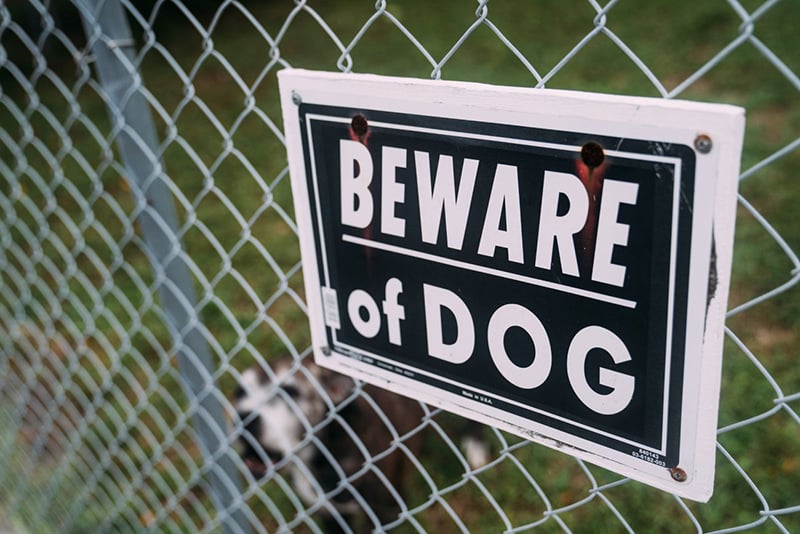
A client suffered serious injuries after being attacked by a dog while unloading groceries outside their home. GLS responded immediately, visiting the client in the hospital and launching a thorough investigation. Through aggressive advocacy, the firm held the owner accountable and secured a significant recovery.
— GLS WON —
$1,200,000
Dog Bite Claim

A pedestrian suffered severe internal and external injuries after being struck by a garbage truck while crossing the roadway. GLS pursued claims against both the driver and company, uncovering safety failures and securing a substantial settlement.
— GLS WON —
$1,450,000
Pedestrian Accident Claim

A tractor trailer driver was severely injured when a trash truck struck him head-on while he was performing job duties in Lancaster County. GLS established liability against the commercial operator and secured compensation for extensive injuries.
— GLS WON —
$1,675,000
Work-Related Truck Accident Claim

A forklift operator sustained multiple fractures and crush injuries after being struck by another forklift operated by a third-party contractor. GLS pursued both workers’ compensation and third-party claims to maximize recovery.
— GLS WON —
$1,658,000
Work-Related Tow Motor Accident Claim

A factory worker suffered a partial foot amputation in a workplace accident. GLS identified a responsible third party in addition to workers’ compensation and recovered compensation for pain, suffering, and other non-economic damages.
— GLS WON —
$1,750,000
Work Injury and Third-Party Claims

A motorcyclist suffered serious internal injuries requiring multiple surgeries after an SUV made an unlawful turn in front of the motorcycle. GLS proved fault and secured compensation reflecting the severity of medical treatment.
— GLS WON —
$1,490,000
Motorcycle Accident Claim

A husband and father was killed when a commercial truck ran a red light and collided with his vehicle. GLS reconstructed the crash, established fault, and obtained a multi-million-dollar recovery for his family.
— GLS WON —
$4,000,000
Tractor Trailer Accident Claim
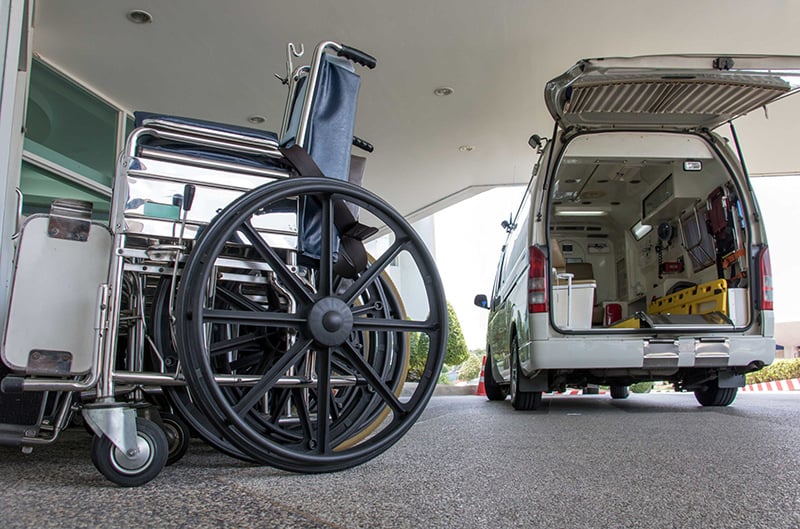
A nursing home resident suffered multiple fractures after being improperly secured in a facility-operated van. GLS strategically litigated against ownership in a favorable venue, resulting in a seven-figure recovery.
— GLS WON —
$1,015,000
Passenger Van Accident Claim
How to Tell if You Need a Police Officer Injury Lawyer
Not every on-duty injury requires legal involvement, but serious injuries and complex circumstances often do. If you are unsure whether to call a police officer injury lawyer, look at the severity of the injury, how the claim is being handled, and whether third-party responsibility may be present.
Top 6 signs you should contact a police officer injury attorney:
You Suffered Serious Injuries
Hospitalization, surgery, fractures, significant imaging, or concussion-type symptoms often signal higher dispute risk.
You Are Being Held Out of Duty or Pushed Back Too Soon
Return-to-duty restrictions that are unclear, ignored, or pressured can affect benefits and long-term health.
The Incident Record Is Being Questioned
Conflicting descriptions, missing documentation, or shifting narratives can weaken the claim if not addressed early.
Video or Dispatch Evidence Is at Risk
Missing footage, partial clips, or uncertain retention timelines are common early dispute drivers.
A Third Party May Be Responsible
Negligent drivers, unsafe premises, inadequate security, or defective equipment can create additional claim paths.
Benefits Are Delayed, Reduced, or Denied
Disputes over work status, medical care, or “necessity” of treatment often require structured legal guidance.
When these signs are present, reaching out to a manual labor injury lawyer can help protect your health, finances, and future.
WHY SHOULD YOU HIRE A POLICE OFFICER INJURY LAWYER?
After a police officer injury, your first job is protecting your health. Your second job is protecting the record that drives benefits. This checklist helps reduce claim problems early.
Immediate Action Checklist
Get Medical Attention
Seek care right away and follow restrictions.
Document Key Details
Equipment involved, job cycle, pace, witness names, and what you were required to do.
Stay Cautious with Communications
Avoid casual statements or recorded calls that can be used to minimize your injury.
Track Wages and Job Status
Keep pay stubs and note changes in hours, duties, or overtime.
How Long Do Most Police Officer Injury Cases Take?
There is no single timeline. Many cases depend on medical stability, the pace of treatment, and how restrictions evolve. Delays can also occur when evidence must be obtained from outside parties or when a formal dispute process becomes necessary after a denial or challenge.
How Much Is a Police Officer Injury Case Worth?
Value depends on the facts. Important factors include:
- The severity and permanence of the injury
- The documented impairment and functional limits
- Work status impact, including lost overtime opportunities where applicable
- The duration and clarity of restrictions
- The consistency of incident records and medical documentation
- Available benefits and any third-party coverage
A Central Pennsylvania police officer injury attorney at GLS Injury Law will evaluate these elements and pursue a result supported by the evidence.
Do the Best Police Officer Injury Lawyers Go to Court?
Yes. While many matters resolve through claims handling and negotiations, some cases require formal proceedings when responsibility is disputed, the record is attacked, or the case is undervalued. A lawyer can build proof, address defenses, and present the claim in the proper forum when needed.
FREQUENTLY ASKED QUESTIONS ABOUT POLICE OFFICER INJURIES IN PENNSYLVANIA
Get clear answers about police officer related injuries.

Reviewed by Anthony M. Georgelis, Attorney at GLS Injury Law, on May 20th 2025.
Police Officer Injury Case FAQs
What should be included in a duty-related injury report?
A report typically should capture what occurred, where it occurred, the task being performed, and the immediate symptoms. A clear timeline matters. If a third party is involved, identifying witnesses and documenting scene conditions can support later review and reduce confusion.
Do police officers usually start with workers’ compensation after an injury?
Workers’ compensation is commonly the initial route for medical coverage and wage-related benefits. However, some duty injuries also involve third-party responsibility, such as negligent drivers or unsafe property conditions. The facts determine whether one route or multiple routes may apply.
How do vehicle collisions affect police officer injury claims?
Collisions often involve outside drivers, roadway conditions, and time-sensitive evidence. Crash reports, witness statements, and video sources can be important. Medical documentation should also match the timeline and restrictions. Early record control can help prevent disputes about how the event occurred.
Can a third party be liable when a police officer is injured on private property?
In some situations, yes. Unsafe conditions such as broken steps, poor lighting, or hazardous surfaces can create responsibility depending on control and notice. Evidence often includes photographs, witness accounts, and property documentation. Conditions can change quickly, so early documentation matters.
How does video evidence fit into a police officer injury case?
Video can help confirm timelines, actions, and scene conditions. It may include body-worn footage, dash recordings, or private surveillance. Because retention periods can vary, preservation steps may be important. The claim record should remain consistent with what the video shows.
What issues commonly lead to disputes in duty injury matters?
Disputes often involve inconsistent descriptions, unclear restriction language, delayed reporting, or questions about the necessity of care. Some matters also involve third-party issues that are not addressed early. Organized records and consistent medical documentation can reduce avoidable challenges.
What if return-to-duty pressure conflicts with medical restrictions in a police officer injury case?
Return-to-duty issues can become serious when actual assignments do not match documented restrictions. Clear medical work-status notes matter. A structured approach can help keep the record aligned with supported limitations and reduce the risk of worsening the condition.
What happens during a consultation about a police officer's injury?
The firm typically reviews incident facts, reporting history, medical status, restrictions, and any third-party involvement. It also considers what records exist and what evidence should be preserved. The goal is a practical plan for claim direction, proof, and next steps.
Scroll Down For More ↓
Get a Free Case Evaluation Today
No Fee Until You Win
Protected by Google reCAPTCHA Privacy Policy | Terms of Service
DON'T SETTLE FOR LESS...CALL GLS!™
Schedule Your Free Consultation
Call Now - 717-394-3004