


Slip & Fall Accident Lawyers in Central Pennsylvania
Free consultation. No fee unless we win.
Get a Free Case Evaluation Today
No Fee Until You Win
Protected by Google reCAPTCHA Privacy Policy | Terms of Service
Home » Practice Areas »
Why Injured Victims Turn To GLS Law For Slip & Fall Claims
Choosing a law firm after a serious fall is an important decision. You need a team that understands both the human impact of your injuries and the tactics property owners and insurers use to avoid responsibility. GLS Injury Law offers experienced, trial-ready slip & fall attorneys in Central Pennsylvania who focus on getting real results.
What sets our slip & fall practice apart:
Million Dollar Recoveries For Our Injured Neighbors
$120,000,000
Recovered for Injury Victims
OUR TOP INJURY LAWYERS HELP WITH SLIP & FALL CASES
A fall that happens in a few seconds can reshape your entire life. Medical bills pile up, work becomes difficult or impossible, and the property owner may deny any responsibility. Our team steps in to handle the legal and insurance issues so you can focus on healing.
Here is how we support slip and fall clients across Central Pennsylvania:

Thorough investigation:
We gather photographs, video footage, maintenance logs, inspection records, and incident reports before they disappear or are “lost.”

Liability analysis
We determine who is legally responsible for your injuries, whether it’s a national retail chain, a commercial landlord, or an apartment complex. Our Lancaster, PA slip and fall lawyers pursue the full compensation you deserve.

Medical and damages documentation
We work with your doctors and medical experts to show the full impact of your injuries and future care needs.

Insurance claim management
We handle all communication and negotiation with insurers, including first offers, counteroffers, and policy-limit demands.

Litigation and trial preparation
If the insurance company refuses to be fair, we prepare your case for court and present the facts to a judge or jury.

Full compensation strategy
We pursue every category of damages available under Pennsylvania slip and fall laws, including pain and suffering and lost earning capacity.
Your health, recovery, and peace of mind deserve to come first. While you focus on healing and rebuilding your life, your case will move forward with careful attention to every detail. Your rights, benefits, and compensation are protected at every step so you can stay focused on getting stronger and moving forward.
SLIP & FALL SITUATIONS WE COMMONLY HANDLE, PA
Slip and fall accidents can happen almost anywhere people walk in Pennsylvania, including supermarkets, restaurants, apartment complexes, office buildings, parking lots, and public sidewalks. These cases often come down to whether a property owner, business, or landlord failed to fix a known hazard or warn visitors in time. Our slip and fall attorneys handle premises liability claims against large retailers, commercial landlords, and private property owners when preventable conditions lead to serious injuries.
Most slip and fall hazards can be grouped into three common problem areas:
- Wet and Slippery Surfaces: Spills, freshly mopped floors, leaking pipes, and tracked-in rain or snow that create slick entryways and sudden loss of traction.
- Ice, Snow, and Outdoor Hazards: Untreated walkways, parking lots, steps, and building entrances during winter months where salting, shoveling, or warning signs are missing.
- Unsafe Maintenance Conditions: Broken or missing handrails, uneven flooring, cracked sidewalks, potholes, raised pavement, poor lighting, cluttered aisles, and defective stairs without proper warnings.
Other key factors include delayed repairs, poor inspection routines, and lack of hazard signage. No matter where the fall occurs, we pursue maximum compensation under Pennsylvania slip and fall laws.
WHEN SHOULD YOU HIRE THE BEST SLIP AND FALL LAWYER?
The best time to hire a slip and fall lawyer is as soon as possible after you receive medical attention.
Timing matters because it directly impacts the strength and value of your claim. Acting quickly helps in several important ways:
- To Preserve Evidence: Hazards can be cleaned, repaired, or hidden, and surveillance video may be erased within days. Photos, witness details, and incident reports are easiest to secure early.
- To Prevent Costly Mistakes: You avoid giving statements to insurance representatives or property managers that can be used to minimize your injuries or shift blame onto you.
- To Protect Your Claim Value: A lawyer can ensure your case accounts for the full impact of your injuries, including future treatment, lost income, reduced earning capacity, and pain and suffering.
- To Meet Deadlines: Pennsylvania has strict filing deadlines, and claims involving government property may require faster notice and additional steps.
In short, contacting an attorney early allows them to secure proof, manage insurer pressure, and pursue full compensation for slip and fall injuries across Lancaster, West Chester, York, and throughout Pennsylvania.
WHAT TO DO BEFORE YOU REACH OUT TO A SLIP & FALL LAWYER
If you are wondering what to do after a slip and fall accident in PA, focus first on your health and basic evidence preservation. Simple steps taken early can make a major difference in how strong your claim becomes.
Important steps to take:
GET MAXIMUM COMPENSATION FOR YOUR SLIP & FALL CLAIM
Investigate, build, and litigate your case to victory

Don’t Settle for Less…Call GLS!™
We can be reached through our website or by phone at 717-394-3004.

Free, No-Obligation Consultation
We’ll explain everything, answer your questions, and come to you if needed.

Focus on Your Recovery
GLS Injury Law fights for your full compensation so you can relax. Your peace of mind is our priority.
AVAILABLE 24/7
WHAT TO EXPECT WHEN YOU WORK WITH THE BEST SLIP & FALL LAWYERS
From the first phone call, our role is to listen, guide, and shoulder the legal burden so you do not have to handle this alone. We explain the process in clear language and keep you updated as your case moves forward.
Here is how our process typically works:
Meet Your Award-Winning PERSONAL INJURY LAWYERS SERVING CENTRAL PA
Experienced accident lawyers helping Central PA injury victims pursue maximum compensation.

Anthony M. Georgelis
Represents injured workers and personal injury victims across Pennsylvania with skilled, results-driven legal advocacy.

Christopher P. Larsen
Guides Pennsylvania auto accident, slip and fall, and dog bite clients through claims, IMEs, and legal challenges with care.

Thomas J. Sabatino
Advocates for car accident and workers’ compensation clients in Pennsylvania, through every stage of claims and appeals.
As Recognized By:








What People Are Saying About Our Nationally Recognized Injury fIRM
Proven Results. Hundreds of 5-Star Reviews
GLS Clients Who Didn’t Settle For Less
Proven Results. Hundreds of 5-Star Reviews



A construction worker was killed when the walls of a building collapsed during an active project in Franklin County. GLS investigated workplace conditions, pursued third-party liability, and secured a substantial recovery for the surviving family.
— GLS WON —
$15,000,000
Fatal Construction Site Work Accident Claim

A child tragically drowned at a Lancaster hotel pool. GLS investigated premises safety and supervision practices and secured a significant wrongful death recovery for the family.
— GLS WON —
$1,600,000
Wrongful Death Claim
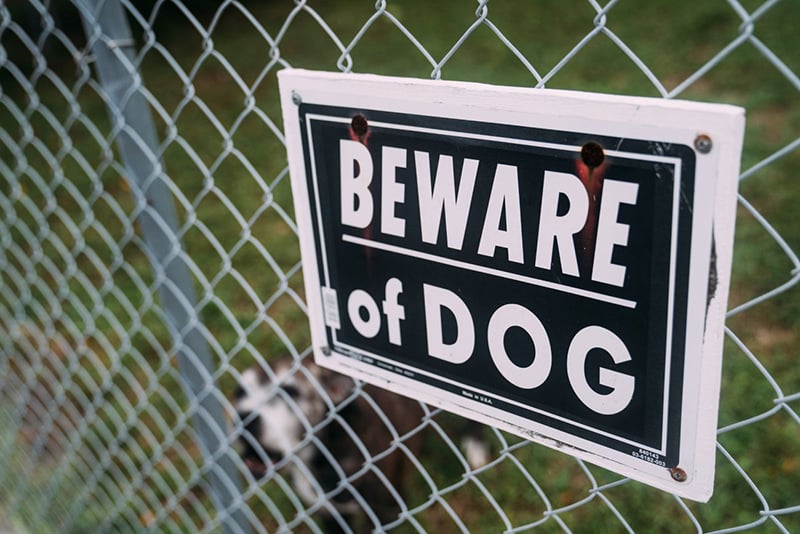
A client suffered serious injuries after being attacked by a dog while unloading groceries outside their home. GLS responded immediately, visiting the client in the hospital and launching a thorough investigation. Through aggressive advocacy, the firm held the owner accountable and secured a significant recovery.
— GLS WON —
$1,200,000
Dog Bite Claim

A pedestrian suffered severe internal and external injuries after being struck by a garbage truck while crossing the roadway. GLS pursued claims against both the driver and company, uncovering safety failures and securing a substantial settlement.
— GLS WON —
$1,450,000
Pedestrian Accident Claim

A tractor trailer driver was severely injured when a trash truck struck him head-on while he was performing job duties in Lancaster County. GLS established liability against the commercial operator and secured compensation for extensive injuries.
— GLS WON —
$1,675,000
Work-Related Truck Accident Claim

A forklift operator sustained multiple fractures and crush injuries after being struck by another forklift operated by a third-party contractor. GLS pursued both workers’ compensation and third-party claims to maximize recovery.
— GLS WON —
$1,658,000
Work-Related Tow Motor Accident Claim

A factory worker suffered a partial foot amputation in a workplace accident. GLS identified a responsible third party in addition to workers’ compensation and recovered compensation for pain, suffering, and other non-economic damages.
— GLS WON —
$1,750,000
Work Injury and Third-Party Claims

A motorcyclist suffered serious internal injuries requiring multiple surgeries after an SUV made an unlawful turn in front of the motorcycle. GLS proved fault and secured compensation reflecting the severity of medical treatment.
— GLS WON —
$1,490,000
Motorcycle Accident Claim

A husband and father was killed when a commercial truck ran a red light and collided with his vehicle. GLS reconstructed the crash, established fault, and obtained a multi-million-dollar recovery for his family.
— GLS WON —
$4,000,000
Tractor Trailer Accident Claim
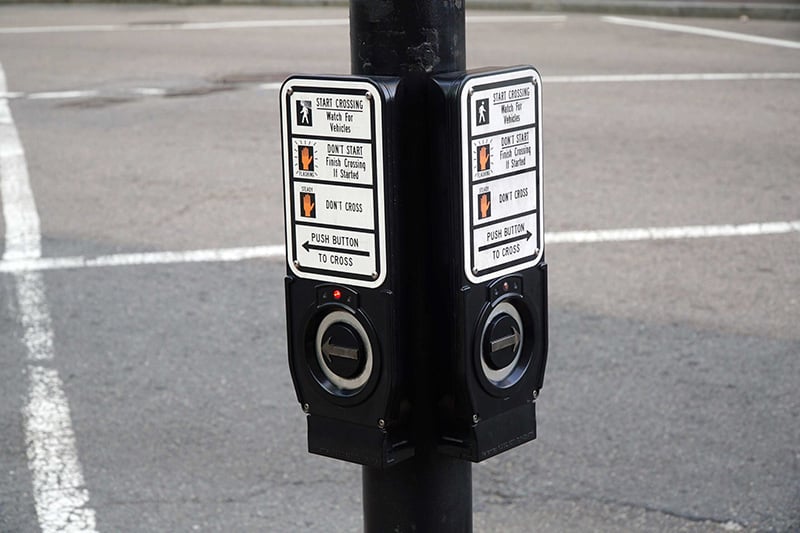
A woman was struck by a vehicle while lawfully using a crosswalk and suffered serious injuries. GLS persuaded the insurer to tender full policy limits, addressing both immediate losses and future impact.
— GLS WON —
$1,000,000
Pedestrian Motor Vehicle Accident
SIGNS YOU SHOULD TALK TO A TOP NOTCH SLIP & FALL ATTORNEY
Not every fall requires legal action, but many do. The more serious your injuries and the more complex the liability questions, the more important it is to have an experienced advocate on your side.
Top 6 signs you should contact a slip & fall lawyer in Lancaster, Chester, or York:
You suffered serious injuries
Hospitalization, surgery, fractures, head injuries, spinal damage, or ongoing therapy needs are strong indicators that you should speak with an attorney.
Your ability to work has been affected
You have missed several days or weeks of work, or your job duties have changed because of pain or mobility limitations.
The property owner denies responsibility
The store, landlord, or property manager blames you, claims they “never knew” about the hazard, or refuses to share incident reports or video footage.
The fall occurred on a commercial or rental property
Cases involving big-box stores, national chains, office buildings, and apartment complexes often have complex insurance layers and defense teams.
The insurance company is stalling or lowballing
You receive a quick, small settlement offer, or the insurer delays responses, requests unnecessary paperwork, or suggests you do not need a lawyer.
You are worried about legal deadlines
You are unsure how the statute of limitations slip and fall PA rules apply to your situation, and do not want to lose your chance to recover.
If any of these feel familiar, compare slip & fall attorneys in Central Pennsylvania and talk with GLS Injury Law about your options.
WHEN SHOULD YOU CALL THE BEST SLIP & FALL ATTORNEY?
The best time to contact a slip and fall lawyer is as soon as you have received medical attention.
Acting quickly matters because:
Evidence Disappears
Property owners clean up spills, repair defects, or overwrite surveillance footage soon after an incident.
Insurance Adjusters Move Fast
Adjusters often try to contact you early, encourage casual conversations, and collect statements that minimize your injuries.
Claim Value Depends on Documentation
A lawyer makes sure your medical records, wage loss proof, and pain and suffering are fully documented before any settlement.
Deadlines Apply
The statute of limitations for slip and fall claims gives you a limited window to file a lawsuit. If that deadline passes, your claim can be lost forever.
How long do slip & fall cases usually take in Pennsylvania?
There is no single timeline for Pennsylvania slip and fall settlements. Some straightforward claims with clear liability and well-documented injuries may be resolved in several months. More complex cases, including those involving serious injuries, multiple defendants, or disputed liability, can take a year or longer, especially if a lawsuit is filed.
There is also a legal deadline to keep in mind. In most situations, you have two years from the date of the fall to file a lawsuit. Speaking with a lawyer early helps protect your rights and gives your case the best chance of success.
How much can a slip & fall case be worth?
Settlement value depends on many factors, including the severity of your injuries, how long your symptoms last, the impact on your work, the amount of available insurance coverage, and how clearly the property owner’s negligence can be proven.
Compensation may include medical bills, lost wages, future treatment costs, pain and suffering, and reduced quality of life. Our attorneys look closely at every detail of your case, then pursue the maximum recovery allowed under Pennsylvania slip and fall laws.
Do the Best Slip & Fall Injury Lawyers Go to Court?
Yes. While some slip and fall claims resolve through insurance negotiations, many disputed premises liability cases require formal legal action. If the property owner or insurance company denies responsibility, minimizes your injuries, delays medical treatment, or offers an unfair settlement, your slip and fall attorney may file a lawsuit, present evidence, challenge defense tactics, and advocate for full and fair compensation. This can include introducing medical records, accident reports, surviellance video, and witness testimony to prove negligence and protect your rights.
Slip & Fall Accident FAQS FOR CENTRAL PENNSYLVANIA
Get clear answers on slip and fall cases in Central PA.

Reviewed by Anthony M. Georgelis, Attorney at GLS Injury Law, on February 9, 2026.
Slip & Fall Case FAQs
What should I do immediately after a slip and fall accident?
The first step after a slip and fall is to prioritize your health. Seek immediate medical attention, even if your injuries appear minor at the time- many symptoms worsen later. Next, report the incident to the property owner or manager and obtain a copy of the incident report. Document everything: take photos of the scene, your injuries, and anything that contributed to the accident (e.g., a wet floor, broken stair, or uneven pavement). Get the names and contact information of any witnesses.
From a legal standpoint, contacting an experienced slip and fall attorney as soon as possible is vital. At GLS Injury Law, we begin investigating immediately- preserving surveillance footage, collecting evidence, and documenting the condition of the property before changes are made. Time is critical, especially in premises liability cases, so act quickly to protect your rights and preserve the integrity of your claim.
How do I know if I have a valid slip and fall claim?
To determine whether your claim is valid, we examine four key elements:
- Ownership or control – Did the property owner or tenant control the area where the fall occurred?
- Negligence – Did they fail to maintain the property or warn of a dangerous condition?
- Causation – Did their negligence directly cause your injuries?
- Damages – Have you suffered quantifiable harm, such as medical bills, lost wages, or pain and suffering?
Many clients assume their accident was “just bad luck,” but often we find that proper maintenance, timely repairs, or clear warnings could have prevented their injuries.
Our attorneys at GLS Injury Law will conduct a full legal and factual analysis, including site inspections, expert consultations, and witness interviews, to determine the strength of your case. If negligence caused your injuries, we will fight to hold the responsible parties accountable.
What types of compensation can I recover for my injuries?
Victims of slip and fall accidents may be entitled to a wide range of compensation under Pennsylvania law. This includes:
- Medical expenses – ER visits, surgeries, physical therapy, and future treatment
- Lost wages – Both current and future income if your injuries limit your ability to work
- Pain and suffering – Physical discomfort, mental anguish, and emotional trauma
- Loss of earning capacity – If you’re no longer able to perform the same type or level of work
- Loss of enjoyment of life – For lasting disabilities or lifestyle changes caused by your injuries
We take a comprehensive approach to damage recovery, working closely with medical providers, vocational experts, and financial professionals to ensure that every aspect of your injury is fully accounted for. Our goal is not just to get a settlement- it’s to make sure you are made whole.
Who can be held responsible for a slip and fall injury?
In most cases, the property owner or occupier (such as a business tenant) will be the responsible party, particularly if they failed to maintain a safe environment or neglected to warn visitors about hazardous conditions. However, other parties could also be liable, including:
- Property management companies
- Maintenance contractors
- Snow and ice removal vendors
- Construction firms
- Landlords (in rental properties)
Liability often depends on the nature of the property and the relationship between the parties involved. For example, a commercial landlord may be responsible for parking lot maintenance, while a store tenant is liable for the interior floors. At GLS Injury Law, we identify all potential defendants and build a strategy to pursue compensation from the appropriate sources.
How long do I have to file a slip and fall lawsuit in Pennsylvania?
In Pennsylvania, the statute of limitations for a personal injury lawsuit, including slip and fall claims, is generally two years from the date of the accident. However, there are critical exceptions.
If the injury involves a government-owned property, such as a public sidewalk or municipal building, you must file a notice of intent to sue within just six months of the injury. Failing to meet these deadlines can result in the permanent loss of your right to recover compensation.
That’s why it’s essential to speak with a qualified attorney as soon as possible after the incident. We ensure your claim is filed within all required timelines and protect your rights from day one.
What if I was partially at fault for the accident?
Pennsylvania follows a modified comparative negligence rule. This means that even if you were partially responsible for your own fall, you can still recover damages- as long as your share of fault is 50% or less. However, your compensation will be reduced by your percentage of fault. For instance, if you were found to be 20% at fault and your total damages were $100,000, you would receive $80,000.
Insurance companies often try to assign fault to the injured party to reduce their payout. At GLS Injury Law, we fight back with evidence, witness testimony, and expert analysis to limit or eliminate claims of shared fault and secure the full compensation you deserve.
What evidence is important in a slip and fall case?
Strong evidence is the backbone of any successful premises liability claim. This includes:
- Photos/videos of the scene (ideally taken immediately after the fall)
- Medical records and treatment history
- Incident reports filed with the property owner
- Witness statements
- Surveillance footage
- Maintenance logs and inspection reports
- Prior complaints or history of the same hazard
The sooner you contact us, the better our chances of preserving this critical evidence. Surveillance footage may be erased, witnesses’ memories fade, and hazards may be quickly repaired to avoid liability. Our legal team acts fast to preserve the scene and build a compelling case.
Can I sue a business if I fell on their property?
Yes, if a business failed to maintain safe premises or neglected to warn customers about a hazardous condition that led to your fall, you may be able to sue them for damages. Common business-related hazards include:
- Wet or recently mopped floors without signage
- Icy sidewalks or parking lots
- Loose mats or carpeting
- Spills in aisles
- Uneven flooring or damaged stairs
Our attorneys at GLS Injury Law have successfully brought claims against national retailers, local stores, restaurants, and shopping centers. These businesses often have powerful insurance companies and legal teams- but so do we. We will not back down until justice is served.
What injuries are most common in slip and fall accidents?
Slip and fall accidents can result in a wide range of injuries- some of them severe or life-altering. Common injuries include:
- Fractures (especially hips, wrists, and ankles)
- Head trauma and traumatic brain injuries (TBI)
- Spinal cord injuries and herniated discs
- Soft tissue damage
- Cuts, bruises, and abrasions
- Joint injuries (e.g., torn ligaments in knees or shoulders)
Even seemingly minor injuries can evolve into long-term issues, especially for elderly victims. We work with medical professionals to fully document the scope of your injuries and calculate both current and future needs related to treatment, rehabilitation, and mobility.
Why should I hire GLS Injury Law for my slip and fall case?
When your future is on the line, experience and results matter. At GLS Injury Law, we bring over a century of combined legal experience, courtroom expertise, and a fierce commitment to justice. Our award-winning attorneys:
- Have recovered over $112 million for injury victims
- Offer free consultations and no upfront fees
- Are available 24/7 – even nights, weekends, and holidays
- Have been voted #1 Personal Injury Law Firm in Lancaster for 10 years running
We treat each case as if it’s going to trial, thoroughly preparing every detail and negotiating from a position of strength. Whether you’re dealing with a local property owner or a national business, you’ll have a team of seasoned legal professionals in your corner every step of the way.
How long do I have to file a slip and fall claim in Pennsylvania?
You generally have two years from the accident date to file a slip and fall lawsuit. Acting quickly helps preserve surveillance footage, witness statements, and maintenance records. Contacting GLS Injury Law early gives your claim the strongest foundation.
How much is my slip and fall settlement worth?
Settlement value depends on injury severity, medical expenses, lost wages, future treatment needs, and emotional impact. Our slip and fall lawyers carefully evaluate every detail to maximize recovery.
Who is responsible for my slip and fall accident?
Liability often rests with the property owner or manager if their negligence created unsafe conditions, wet floors, poor lighting, uneven surfaces, or inadequate maintenance. GLS Injury Law conducts thorough investigations to determine legal responsibility and hold negligent parties accountable.
Do I need a slip and fall lawyer for a minor accident?
Yes. Even seemingly minor injuries can worsen over time, causing lasting damage and chronic pain. Insurance companies minimize claims aggressively. A skilled slip and fall attorney from GLS Injury Law protects your rights and prevents pressure to accept inadequate settlements.
How long do slip and fall lawsuits take?
Timelines vary based on case complexity, evidence, liability disputes, and negotiations. Some cases resolve in months; others require litigation and take longer. GLS Injury Law works efficiently to secure fair outcomes while keeping you informed throughout the process.
What evidence is important for my slip and fall claim?
Strong claims rely on photos of hazards, surveillance videos, witness statements, incident reports, maintenance logs, and medical documentation. Acting promptly preserves this evidence before it’s lost or destroyed. Our attorneys assist in collecting, organizing, and presenting compelling proof.
What does it cost to hire GLS Injury Law?
We operate on contingency, you pay absolutely nothing unless we win your case. Your initial consultation is free, and our slip and fall lawyers handle everything from investigation through settlement or trial, giving you peace of mind while you focus on recovery.
Can I sue if I was partially at fault for my fall?
Yes, under Pennsylvania’s comparative negligence rule. You can recover damages reduced by your percentage of fault as long as you’re less than 51 percent responsible. Our attorneys minimize fault attribution and maximize your recovery.
Scroll Down For More ↓
Get a Free Case Evaluation Today
No Fee Until You Win
Protected by Google reCAPTCHA Privacy Policy | Terms of Service
DON'T SETTLE FOR LESS...CALL GLS!™
Schedule Your Free Consultation
Call Now - 717-394-3004