
Every year, thousands of shoppers head into big box stores like Walmart, Target, Costco, and Home Depot, trusting that the store is safe. But behind those towering shelves and bustling aisles, hazards lurk.
While statistics surrounding customer injuries at big box stores are kept fairly private, there are plenty of reports suggesting the numbers are in the hundreds of thousands each year in the United States. From falling merchandise to slippery walkways, these injuries can be life changing.
The important question is: if you’re injured inside one of these stores, who pays for your medical bills, lost wages, and pain and suffering?
The Most Common Types of Injuries Inside Big-Box Retailers
Big box stores see a constant flow of customers, employees, and merchandise. With heavy stocking, large displays, and high foot traffic, the potential for accidents is everywhere. Some injuries are more common than others and knowing what they are can help you understand whether you have a premises liability case.
Here are the most frequent injuries we see in large retailers:
- Falling merchandise: Items stacked too high or unsecured can fall and cause head, neck, or back injuries.
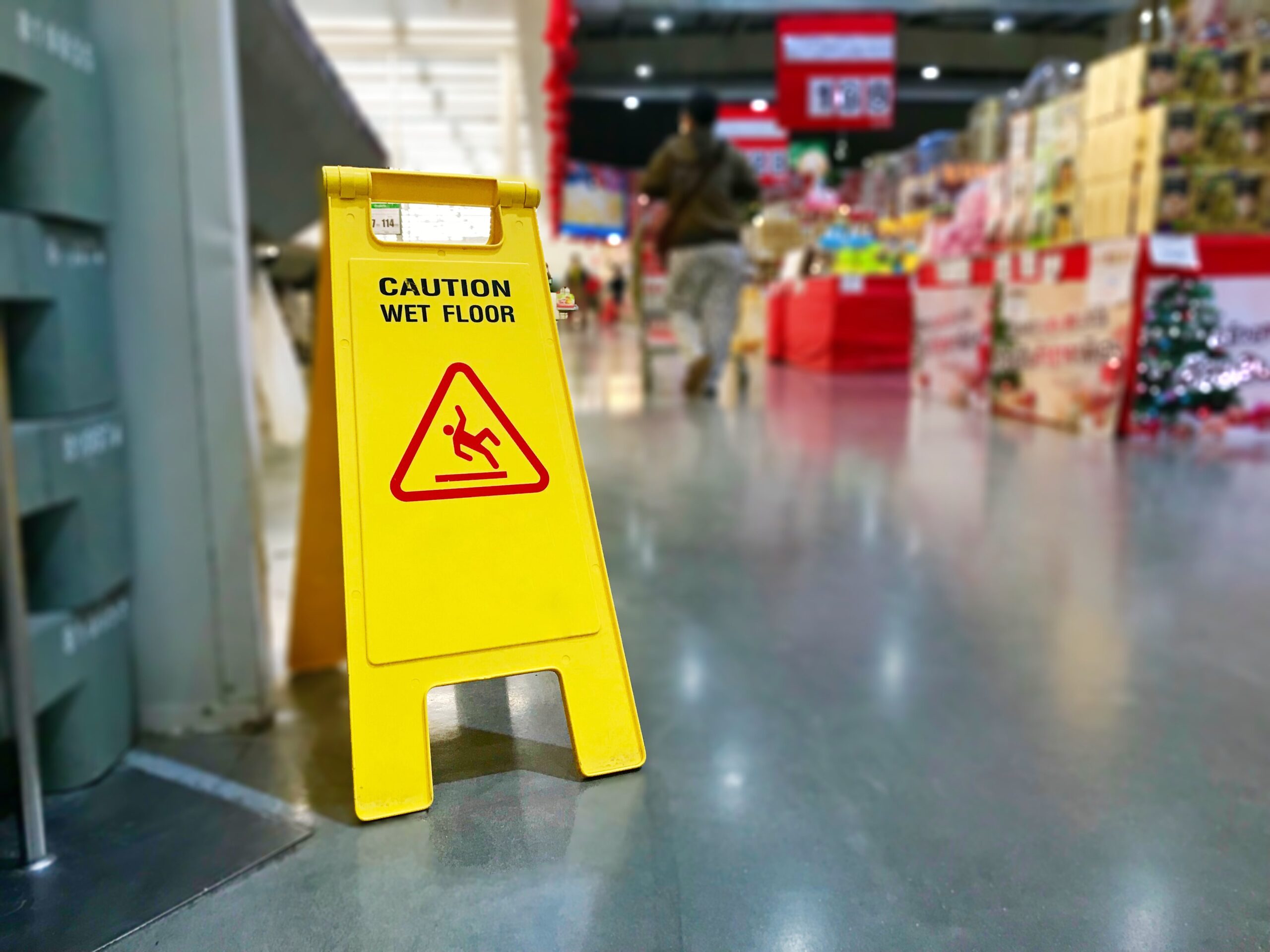
- Slips and falls: From unnoticed spills to freshly mopped floors without warning signs, these are among the most frequent accidents.
- Obstructions and clutter: Pallets, boxes, and carts often block aisles, creating tripping hazards.
- Parking lot accidents: Cracks, potholes, ice, or poor lighting outside the store can also lead to serious injuries.
What Evidence Do You Need to Prove a Store’s Negligence?
Injuries alone aren’t enough; you must show the store was negligent. This means proving that the hazard existed, the store knew (or should have known) about it, and they failed to take action. Evidence is critical in these cases, and collecting it quickly is key.
Here’s what can strengthen your case:
- Photos or video of the hazard: Capture the unsafe condition before the store cleans it up.
- Incident reports: Always notify management and ask for a written record of your accident.
- Surveillance footage: Stores often have cameras, but footage may not be kept for long.
- Eyewitness accounts: Other shoppers or employees may back up your story.
The Role of Surveillance Footage and Store Incident Reports
After an accident, stores often move fast to protect themselves. Managers may fill out reports that minimize the hazard or suggest it wasn’t their fault. Meanwhile, video footage can disappear if it’s not requested quickly. This is where a personal injury attorney becomes especially important.
When dealing with reports and surveillance for a premises liability claim:
- Document everything yourself with photos and notes.
- Request a copy of the incident report from the store immediately.
- Get an injury lawyer involved early so they can demand that crucial video footage be preserved and round up potential witnesses to your accident.
Why Corporate Insurance Companies Fight These Claims
Big box retailers and their insurers are well-funded and aggressive in defending against injury claims. They are not in the business of paying out money willingly, so they often try to push blame onto the customer or argue that the hazard was not dangerous.
Common tactics used by insurance companies include:
- Suggesting the hazard was temporary and could not have been fixed in time.
- Arguing the customer wasn’t paying attention.
- Delaying or denying requests for evidence like video footage.
These strategies make it difficult for injured shoppers to get the compensation they deserve, which is why having an experienced attorney on your side is so important.
How to Protect Your Rights After an Injury in a Big Box Store
The steps you take immediately after being injured in a big box store can make or break your case. Even if your injuries seem minor at first, treating the situation seriously ensures you’re protected if symptoms worsen later.
Here’s what to do right away:
- Seek medical attention: Even small injuries can worsen, and medical records are vital evidence.
- Take photos and videos: Capture the hazard, your injuries, and the surrounding area.
- Document everything: Names of employees, witnesses, time of the incident, and conditions matter.
- File an injury report: But be cautious with what you sign or say and never admit fault.
- Call a lawyer: The sooner a personal injury attorney gets involved, the better your chances of protecting evidence.
When to Call a Personal Injury Attorney
You may be tempted to handle your claim on your own but remember, the store and their insurance company already have legal teams, risk managers and investigators. An injury attorney can level the playing field and fight for your rights.
Consider calling a lawyer if:
- Your injuries require medical treatment or cause you to miss work.
- The store denies fault or refuses to provide footage.
- You feel overwhelmed by the claims process.
- You want to maximize your compensation for medical bills, lost wages, and pain and suffering.
Why Call GLS Injury Law After an Accident?
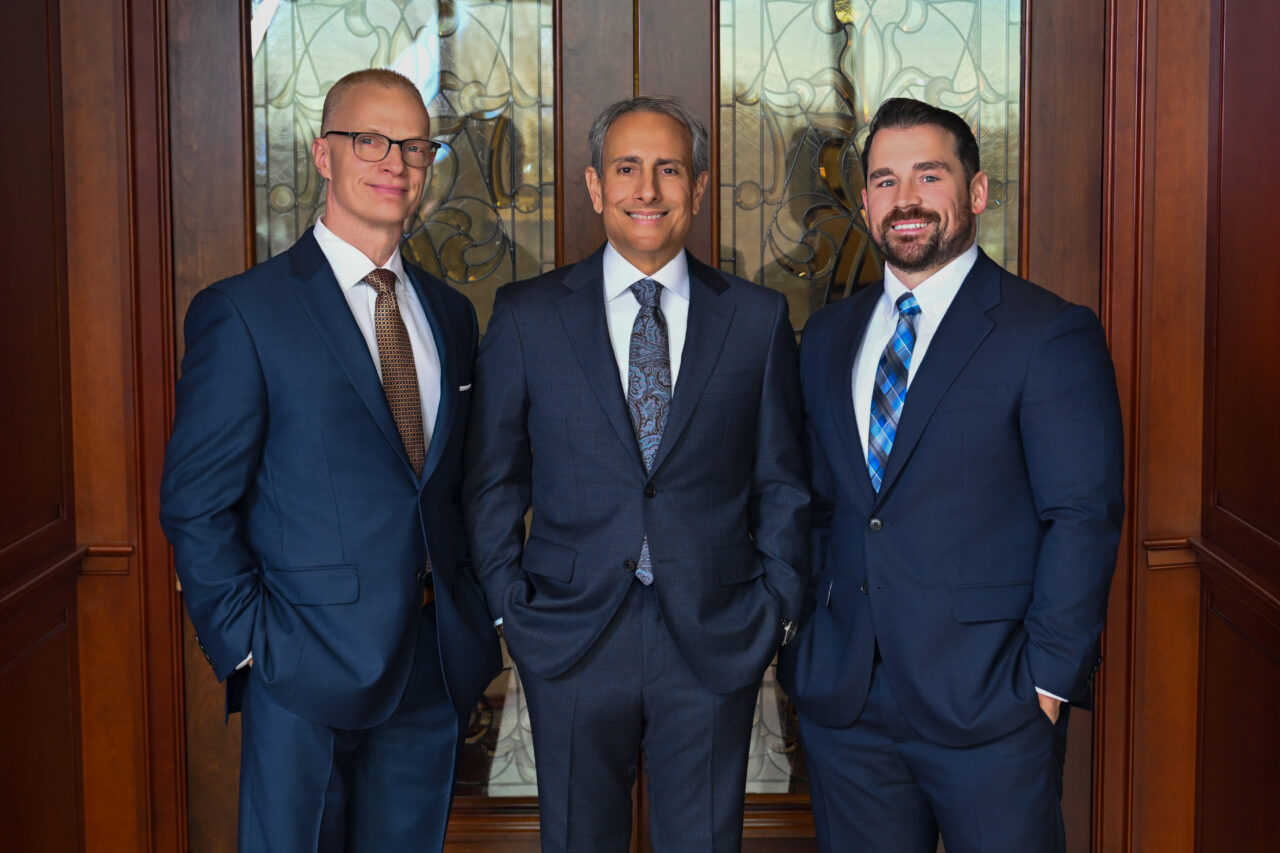
At GLS Injury Law, we’ve taken on some of the toughest premises liability cases in Pennsylvania and won. We know how big retailers and their insurers operate, and we won’t back down until you get the justice and compensation you deserve.
Here’s why injured shoppers choose us:
- Over 100 years of combined legal experience
- A proven record of success in premises liability claims
- No fees unless we win your case
- More than $117,000,000 won for our clients
- Local offices in Lancaster, York, and West Chester for convenience
- Available 24/7 to answer your call
- If you can’t come to us, we’ll come to you
Injured in a big box store? Don’t let corporate giants and their insurance companies intimidate you. Call GLS Injury Law today, because Winning Is No Accident ™.
Frequently Asked Premise Liability Questions (FAQs)
Q: Can I sue if merchandise falls on me at Walmart, Target, BJ’s, or Costco?
Yes. If the store failed to safely stack or secure items, you may have a strong premises liability claim.
Q: How long do I have to act after an injury?
In Pennsylvania, the statute of limitations is generally two years, but waiting risks losing critical evidence.
Q: What if I slipped but didn’t see the hazard before falling?
You can still recover damages if the store knew—or should have known—about the hazard and failed to correct it.
Q: Can I still get compensation if I was partially at fault?
Yes. Under Pennsylvania’s comparative negligence laws, you can still recover compensation as long as you are not more than 50% responsible.
Q: What damages can I recover?
You may be entitled to medical expenses, lost wages, rehabilitation costs, and compensation for pain and suffering.