
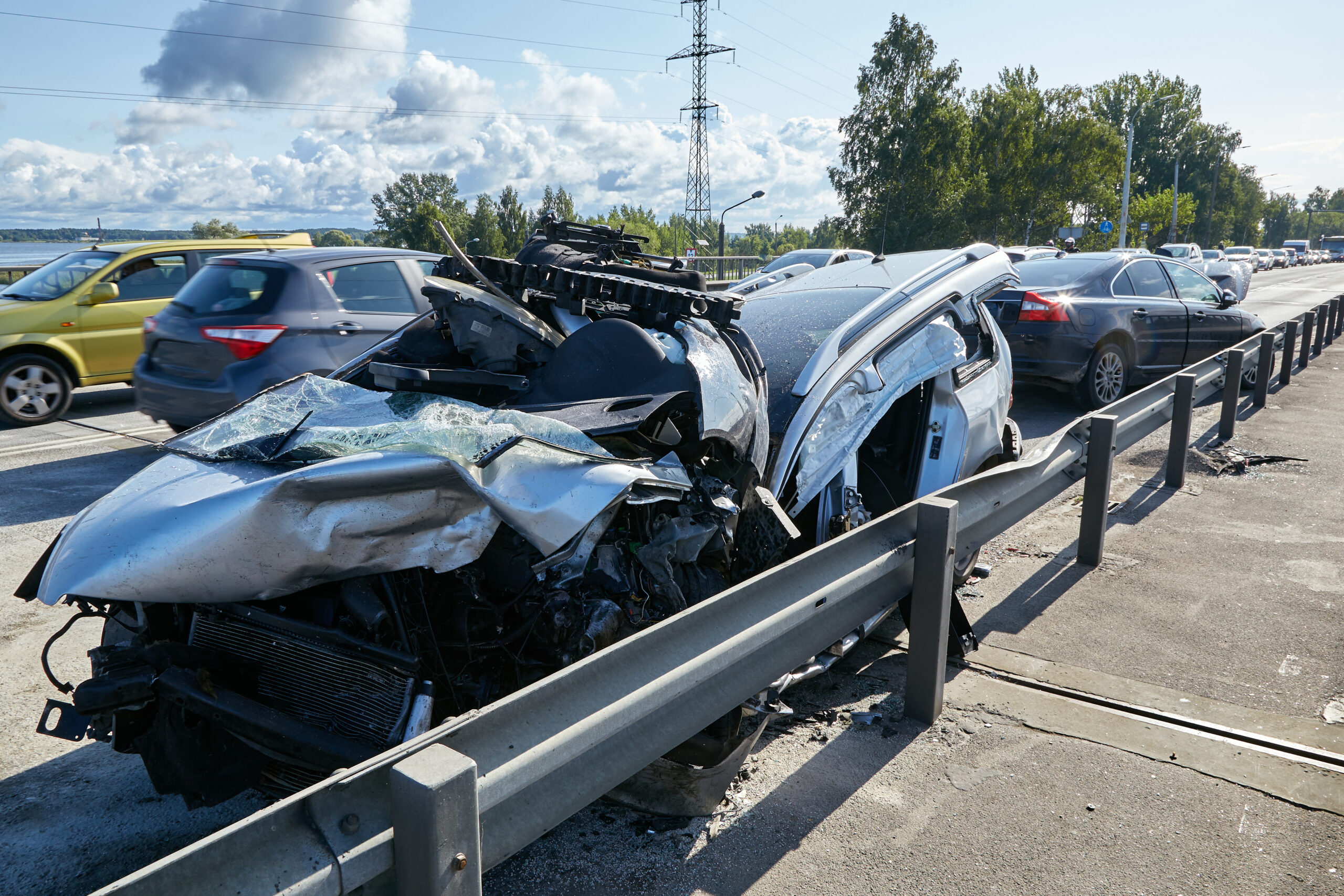
Involved in a Chain Reaction Car Crash in Pennsylvania?
Involved in a chain reaction car accident in Pennsylvania? These types of accidents can be particularly devastating, not only due to the number of vehicles involved but also because of the complexities surrounding liability and insurance claims.
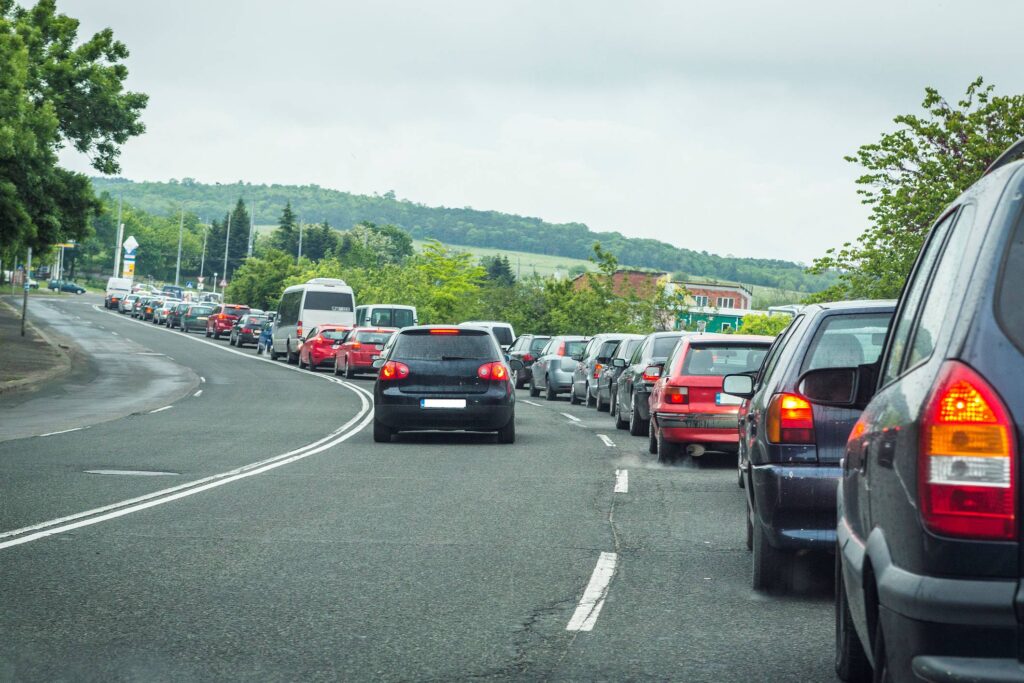
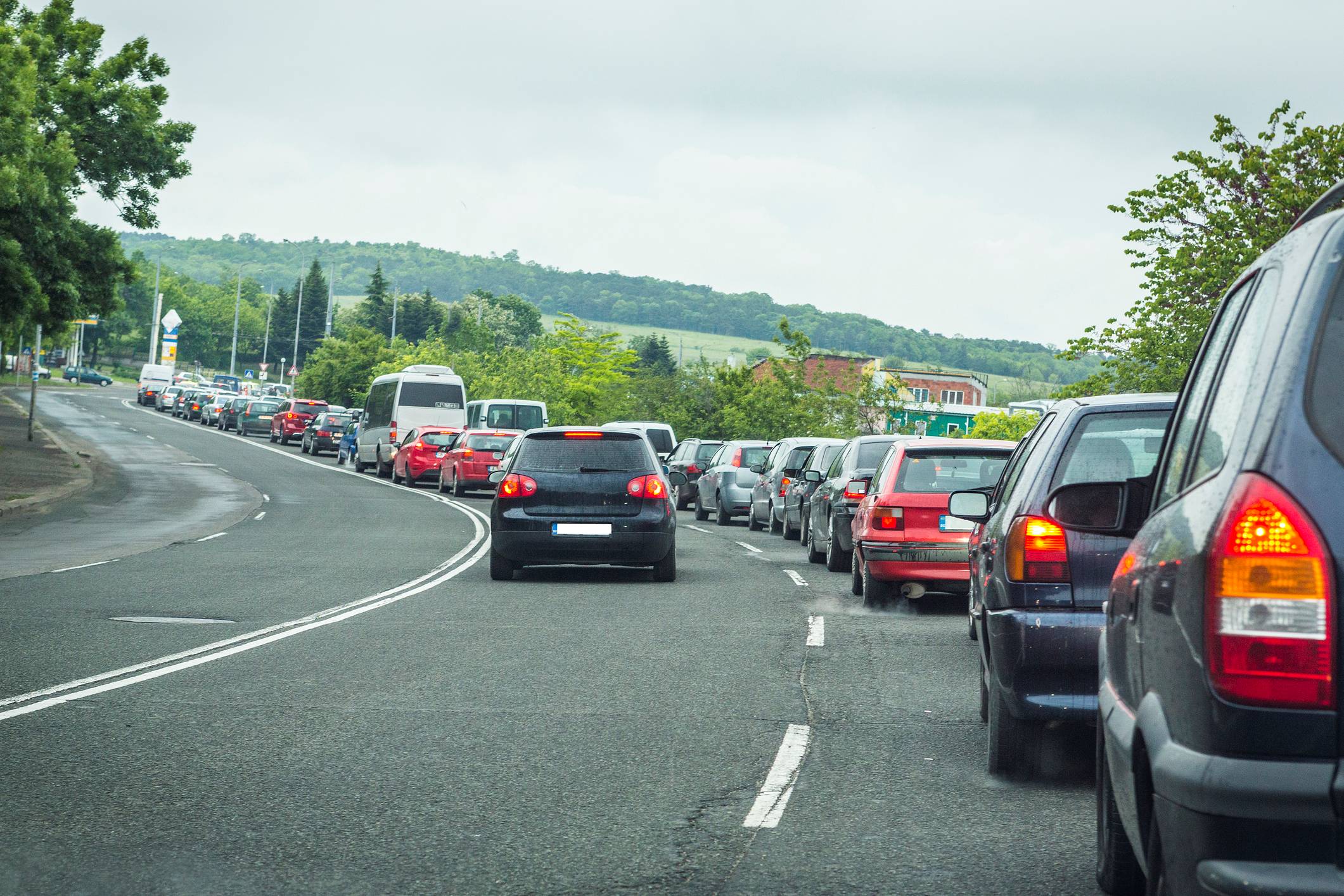
A chain reaction accident occurs when one vehicle collides with another, setting off a series of collisions that can involve multiple cars. The aftermath can leave victims with serious injuries, emotional distress, and significant property damage.
Determining who is responsible for a multi-vehicle accident can be complex, as various factors such as driver behavior, road conditions, and weather play crucial roles. In Pennsylvania, specific laws govern how liability is assessed, which can further complicate the claims process.
Let’s take a closer look at the common causes of chain reaction car accidents, how liability is determined in these situations, and the essential steps you should take to protect your rights. By understanding these elements, you can better navigate the aftermath of such an accident and ensure that you receive the compensation you deserve.
Common Causes of Chain Reaction Car Accidents
Several factors can contribute to chain reaction accidents. Understanding these causes can help drivers recognize potential hazards on the road. Some common causes include:
Sudden Braking: One of the most frequent triggers for chain reaction accidents is sudden braking by a lead vehicle. This often happens when a driver encounters an obstacle, a vehicle that has stalled, or a traffic signal that has changed unexpectedly.
Distracted Driving: With the prevalence of smartphones and other distractions, many drivers find themselves not paying full attention to the road. A distracted driver may not react in time to a sudden stop, leading to a collision with the vehicle in front, which can then cause subsequent collisions.
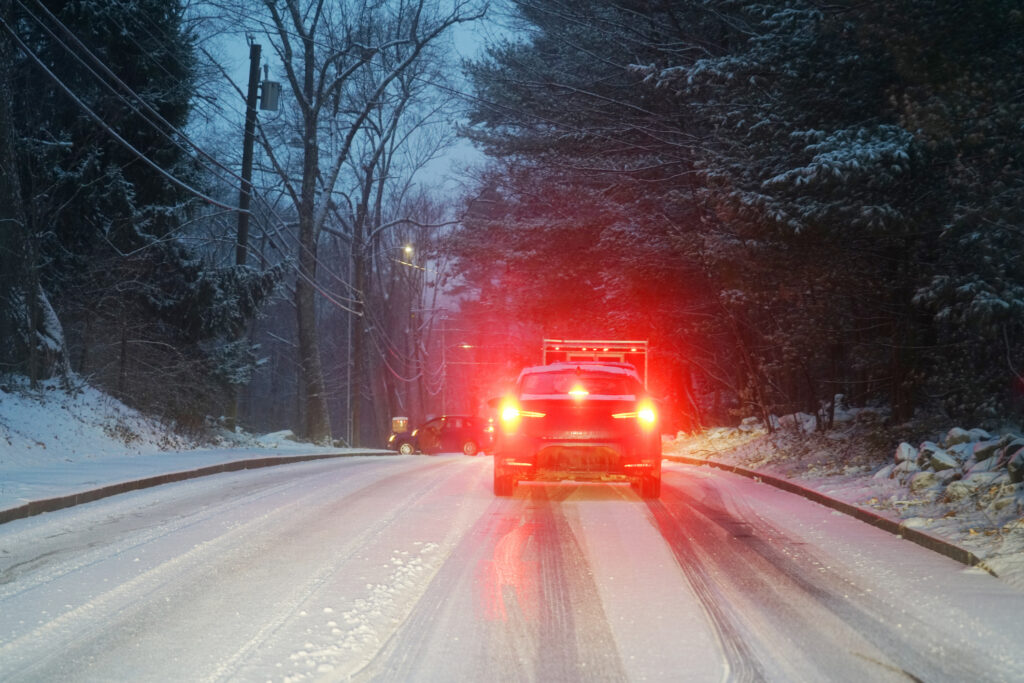
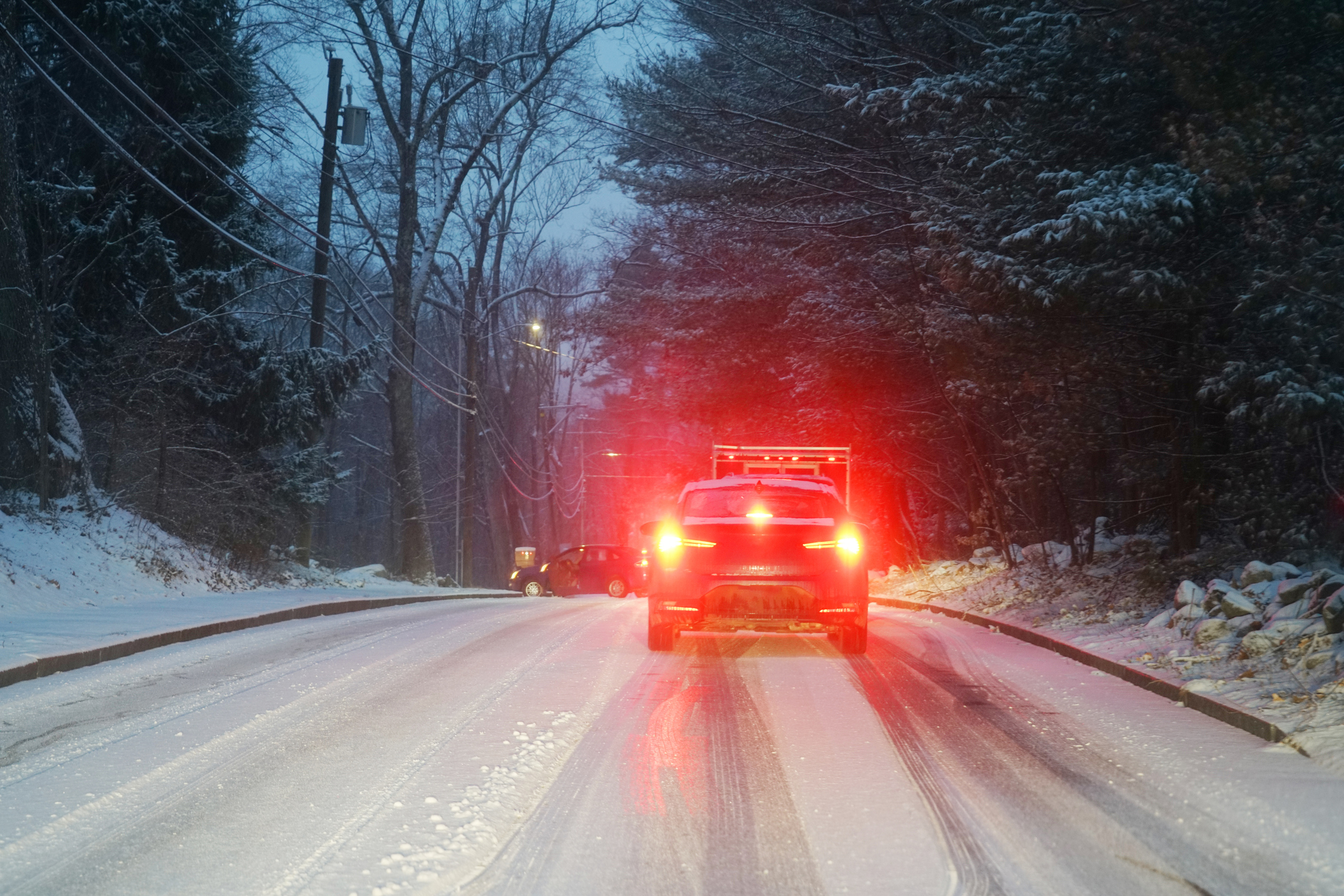
Weather Conditions: Adverse weather, such as rain, snow, or fog, can reduce visibility and increase stopping distances. Drivers may not be able to react quickly enough in poor weather conditions, resulting in chain reaction collisions.
Tailgating: Following another vehicle too closely increases the likelihood of a crash. If the lead vehicle stops suddenly, a tailgating driver may not have enough time to brake before colliding with the vehicle in front.
Aggressive Driving: Behaviors such as speeding, lane weaving, and rapid lane changes can create dangerous situations that lead to chain reaction accidents.
How Liability is Determined in Chain Reaction Crashes
In Pennsylvania, determining liability in a chain reaction accident involves assessing the actions of all drivers involved. Pennsylvania follows a modified comparative negligence system, which means that if you are found to be partially at fault for the accident, your compensation may be reduced by your percentage of fault.
For example, let’s say you are involved in a chain reaction accident where you are found to be 30% at fault due to tailgating. If the total damages amount to $100,000, you would only be eligible to recover 70% of that amount, which is $70,000. This can complicate the claims process, as various parties may attempt to shift blame to one another.
Understanding how comparative negligence works is crucial for anyone involved in a chain reaction accident. An experienced car accident attorney can help gather evidence to demonstrate the other party’s fault and minimize your liability.
Establishing Fault for a Multi-Vehicle Accident in Pennsylvania
To establish fault in a multi-vehicle accident, the following elements are considered:
Duty of Care: All drivers have a legal obligation to exercise reasonable care while operating a vehicle. This means they must be vigilant and attentive to their surroundings.
Breach of Duty: If a driver fails to exercise reasonable care, such as by texting while driving or speeding, they may be found to have breached their duty of care.
Causation: It must be shown that the breach of duty directly caused the accident. If the lead vehicle’s sudden stop caused a rear-end collision, all drivers’ actions leading up to that moment will be evaluated.
Damages: Finally, it must be demonstrated that damages resulted from the accident, such as medical bills, property damage, lost wages and/or pain and suffering.
Steps to Take After a Chain Reaction Accident
If you find yourself involved in a chain reaction accident, taking the right steps can protect your rights and help you secure the compensation you deserve.
1. Prioritize Safety: Your first priority should always be safety. If possible, move your vehicle to a safe location away from traffic. Turn on your hazard lights to alert other drivers.
2. Call Emergency Services: Immediately call 911 to report the accident. This is crucial for getting medical help for anyone injured and for creating an official accident report, which can be valuable for any future claims.
3. Document the Scene: Gather as much information as possible at the scene. Take photographs of the accident scene, including vehicle positions, damage, and any skid marks on the road. Collect witness statements and contact information, as these individuals may provide crucial testimony if disputes arise later.
4. Exchange Information: Be sure to exchange contact and insurance information with all drivers involved in the accident. This includes names, addresses, and insurance policy details. Gathering this information is vital for filing claims and understanding the extent of the accident’s impact.
5. Seek Medical Attention: Even if you feel fine, it’s essential to seek medical attention after a chain reaction accident. Some injuries may not be immediately apparent, such as whiplash or concussions. A medical professional can evaluate your condition and document any injuries, which is important for your potential claims.
6. Notify Your Insurance Company: Contact your auto insurance provider to report the accident as soon as possible. Be honest and provide them with the details of the incident but be cautious about what you say. Avoid admitting fault or providing a recorded statement until you have spoken with an attorney. NEVER speak to the insurance company representing other drivers without consulting a car accident attorney. Anything you say on that call can be used against you.
7. Contact a Car Accident Attorney: Navigating the aftermath of a chain reaction accident can be overwhelming, especially when dealing with insurance companies and determining liability. Engaging an experienced personal injury attorney is crucial to ensure your rights are protected. They can help gather evidence, negotiate with insurance companies and speak on your behalf, and represent you in court if necessary.
Injured in a Chain Reaction Crash? Contact Lancasters #1 Personal Injury Firm
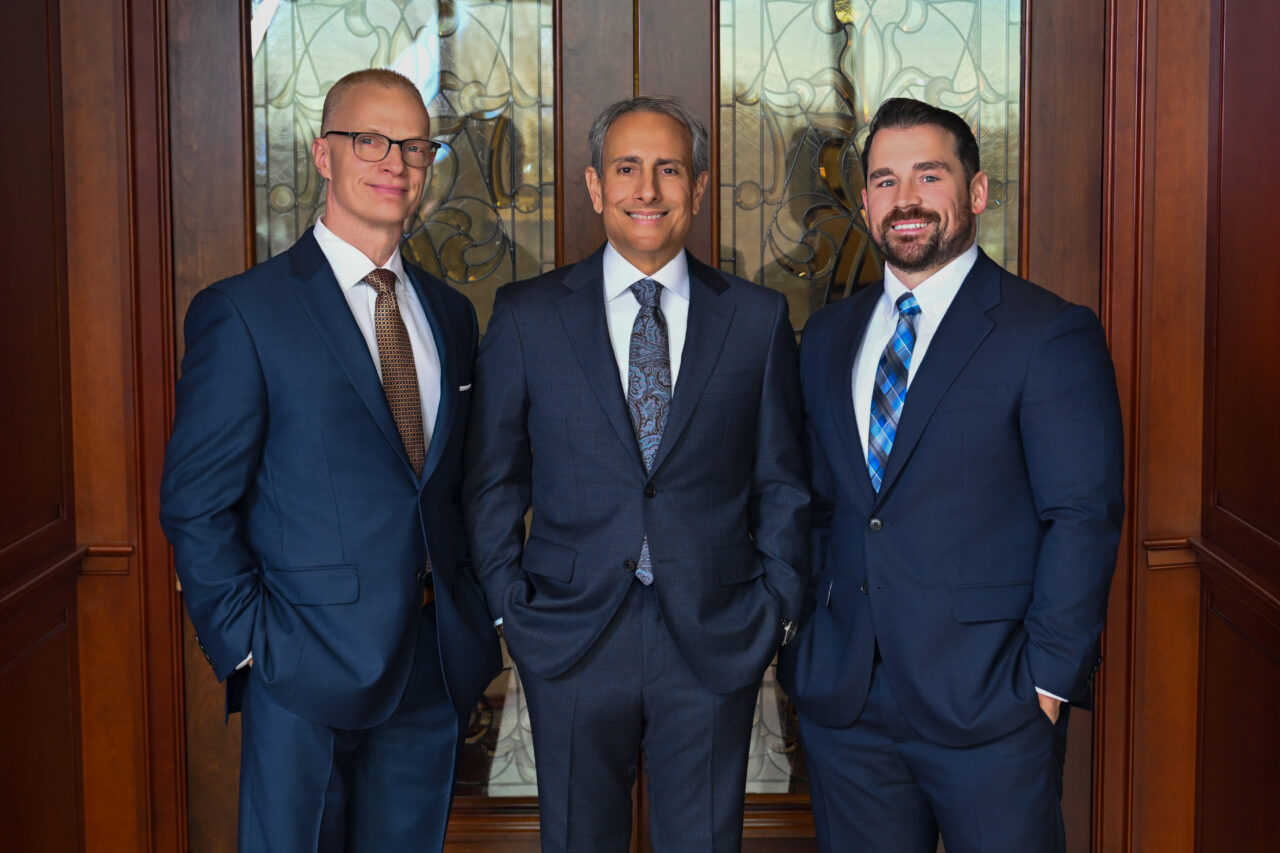
At GLS Injury Law, P.C., we have a dedicated team of attorneys who understand the complexities of Pennsylvania law regarding chain reaction accidents. We are committed to fighting for your rights and ensuring you receive the compensation you deserve for your injuries and damages.
If you or a loved one suffers injuries, speaking with a personal injury attorney right away is crucial. Our car accident attorneys are available 24/7 for a free evaluation, and we never collect a fee until we win for you.
Reach out to our Lancaster personal injury attorneys online or by calling 717-394-3004. The insurance companies have a team of lawyers ready to minimize their financial responsibility after an accident and you deserve the same representation. With a 99% success rate and over $112 million secured for our clients, at GLS Injury Law — Winning… Is No Accident™.
Your recovery is our priority, and together, we can navigate the challenges ahead.