

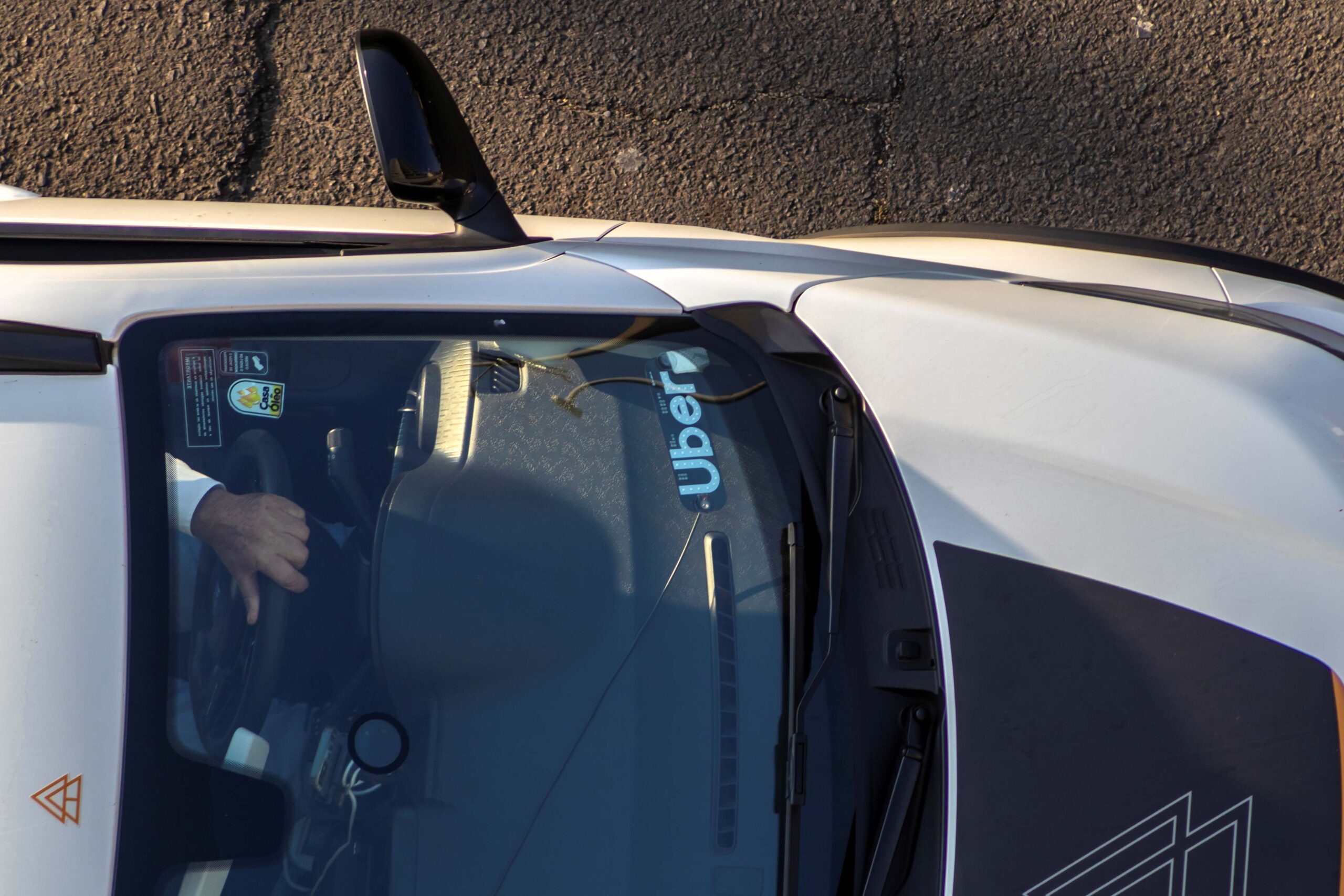
Rideshare services like Uber and Lyft are everywhere, especially during the holidays. But when an accident happens, determining who is liable for your injuries in a rideshare accident can be far more complicated than a typical car crash.
If you’re injured in an Uber or Lyft accident in Pennsylvania, liability may involve multiple insurance policies, corporate rideshare coverage, and Pennsylvania-specific laws that most people don’t realize apply. This guide breaks it all down clearly, so you know your rights before the ball drops on New Year’s Eve.
Table of Contents
- Why Rideshare Accidents Are Increasing in Pennsylvania
- Who Can Be Held Liable in an Uber or Lyft Accident?
- How Uber & Lyft Insurance Coverage Works
- Pennsylvania Laws That Affect Rideshare Accident Claims
- Common Holiday Rideshare Accident Scenarios
- Why Rideshare Claims Are More Complicated Than You Think
- FAQs About Uber & Lyft Accidents in Pennsylvania
- What to Do After a Rideshare Accident
Why Rideshare Accidents Are Increasing in Pennsylvania
With more than 8.8 million rideshare drivers with Uber alone nationwide, the chance of being in a crash with one of these vehicles has never been higher. In fact, studies show that rideshare-related crashes have increased by up to 3% nationwide since services like Uber and Lyft became mainstream—and Pennsylvania has followed that trend.
The week between Christmas and New Year’s Eve is especially dangerous due to:
- Increased alcohol consumption
- Driver fatigue
- Distracted driving
- Higher demand for rideshare services
More drivers on the road + longer shifts = higher crash risk.
Who Can Be Held Liable in an Uber or Lyft Accident?
The answer depends on who caused the accident and what the driver was doing at the time.
Potentially Liable Parties Include:
The Uber or Lyft Driver
If the rideshare driver caused the accident through
- Speeding
- Distracted driving
- Fatigue
- Ignoring traffic laws,
…they may be directly responsible for your injuries.
Another Negligent Driver
If another driver caused the crash, the other driver’s insurance may serve as the primary policy to pay your claims, even when you’re riding in a rideshare.
Uber or Lyft (Through Corporate Insurance)
Uber and Lyft classify drivers as independent contractors, but they still carry large insurance policies that may apply.
A Third Party
In some cases, liability may extend to:
- Vehicle manufacturers
- Government entities (poor road conditions)
- Employers (if the at-fault driver was working)
How Uber & Lyft Insurance Coverage Works
One of the most confusing parts of a rideshare accident is which insurance policy applies.
Rideshare Insurance Coverage Breakdown
| Rideshare Driver Status | What It Means | Insurance Coverage That May Apply |
| App Off | Driver not working | Driver’s personal auto insurance only |
| App On, No Ride Accepted | Driver waiting for a request | Limited Uber/Lyft coverage + personal policy |
| Ride Accepted / Passenger Onboard | Active rideshare trip | Up to $1 million in Uber/Lyft liability coverage |
| Hit by Another Driver | Third-party fault | At-fault driver’s insurance + rideshare coverage |
Insurance companies often dispute what phase the driver was in at the time of the crash, and that’s why it’s critical to have a car accident attorney working on your claim. They have the legal team and experience to build a strong argument on your behalf, ensuring you are receiving maximum compensation for your injury.
Pennsylvania Laws That Affect Rideshare Accident Claims
The state of Pennsylvania Is a “Choice No-Fault” State
In this case, Pennsylvania drivers choose:
- Limited Tort: Limits your ability to recover compensation for pain and suffering unless your injuries meet the legal definition of “serious,” such as permanent impairment or disfigurement.
- Full Tort: Preserves your unrestricted right to seek compensation for pain, suffering, emotional distress, and long-term impact of your injuries, regardless of severity.
Exception: Even if you chose limited tort, exceptions may apply in rideshare accidents, especially when commercial insurance policies are involved.
Comparative Negligence Rule
Under Pennsylvania law:
- You can recover damages if you’re less than 50% at fault
- Your compensation is reduced by your percentage of fault
Example: If you are found 20% at fault and awarded $100,000, you may still recover $80,000.
Statute of Limitations
- 2 years from the date of the accident to file a personal injury claim
Missing this deadline can permanently bar your case.
Common Holiday Rideshare Accident Scenarios
During the holiday season, we frequently see:
- Uber drivers working extended hours
- Lyft drivers rushing between rides
- Drunk or distracted third-party drivers
Example Scenarios:
- Passenger injured when Uber driver runs a red light
- Lyft struck by drunk driver on New Year’s Eve
- Pedestrian hit by rideshare vehicle in a busy downtown area
Each scenario triggers different insurance coverage and legal strategies.
Why Rideshare Claims Are More Complicated Than You Think
Rideshare companies have teams of corporate lawyers whose job is to:
- Limit payouts
- Shift blame
- Delay claims
Insurance adjusters often:
- Argue about app status
- Minimize injuries
- Push quick, low settlements
This is why working with an experienced Pennsylvania Uber accident lawyer can make a significant difference.
FAQs About Uber & Lyft Accidents in Pennsylvania
Q: Who pays my medical bills after an Uber accident?
A: Initially, your own auto insurance (PIP) may apply. Additional compensation may come from Uber/Lyft or the at-fault driver.
Q: Can I sue Uber or Lyft directly?
A: In most cases, claims are made against their insurance policies, not the company itself, but exceptions exist.
Q: What if the rideshare driver was not logged into the app?
A: Only the driver’s personal insurance may apply, which is often far more limited.
Q: How much is my rideshare accident case worth?
A: Compensation depends on:
- Severity of injuries
- Medical expenses
- Lost wages
- Pain and suffering
Q: Does limited tort apply if I’m injured as an Uber passenger?
A: Often, no. Passengers may not be bound by their own tort election in the same way as drivers, especially when commercial rideshare insurance is involved.
Q: Why do Uber and Lyft claims take longer to resolve?
A: Because rideshare accidents often involve:
- Multiple insurance companies
- App activity verification
- Corporate legal teams
These cases require deeper investigation and legal pressure.
Q: Should I talk to Uber or Lyft’s insurance adjuster?
A: No. Insurance adjusters are trained to minimize payouts. Speaking with a personal injury attorney at GLS Injury Law first helps protect your claim.
A consultation with a rideshare accident attorney in Pennsylvania is the best way to evaluate value.
What to Do After a Rideshare Accident
- Call 911 and seek medical attention
- Document the scene and app status
- Get driver and witness information
- Do not give recorded statements to insurers
- Contact an experienced car accident attorney
Final Thoughts: Protect Yourself This Holiday Season
Rideshare services are a smart way to avoid drinking and driving, but accidents still happen. When they do, knowing who is liable and how Pennsylvania law applies can protect your health and financial future.
If you or a loved one were injured in an Uber or Lyft accident, don’t face corporate insurers alone.
Call a Pennsylvania Uber & Lyft Accident Lawyer Today
Searches for “Uber accident lawyer in Pennsylvania” spike this time of year for a reason.
Remember, rideshare accidents are not “just another car crash.” They involve layered insurance policies, corporate defenses, and Pennsylvania laws that can dramatically affect your recovery.
If you were injured, it’s important to speak with an experienced rideshare accident attorney today to protect your rights and pursue full compensation.
If you’ve been injured in an Uber or Lyft accident in Lancaster, York, Chester, or Berks County, don’t navigate it alone.
Don’t Settle For Less…Call GLS!™
Our Lyft and Uber Accident Attorneys at GLS Injury Law are available 24/7 for a free consultation. Dial 717-394-3004.
References:
- DemandSage, How Many Uber Drivers Are There (2025 Statistics), https://www.demandsage.com/uber-statistics/
- Uber, What Rideshare and Delivery Drivers Should Know About Coverage, https://www.uber.com/us/en/drive/insurance/
- Lyft, All Things Insurance, All in One Place, https://www.lyft.com/driver/insurance